4×4S.ORGTHE REGISTRY NAMED MODEL · 1968–84
NAMED MODELMilitary · UKUnited Kingdom

Half Ton Lightweight.

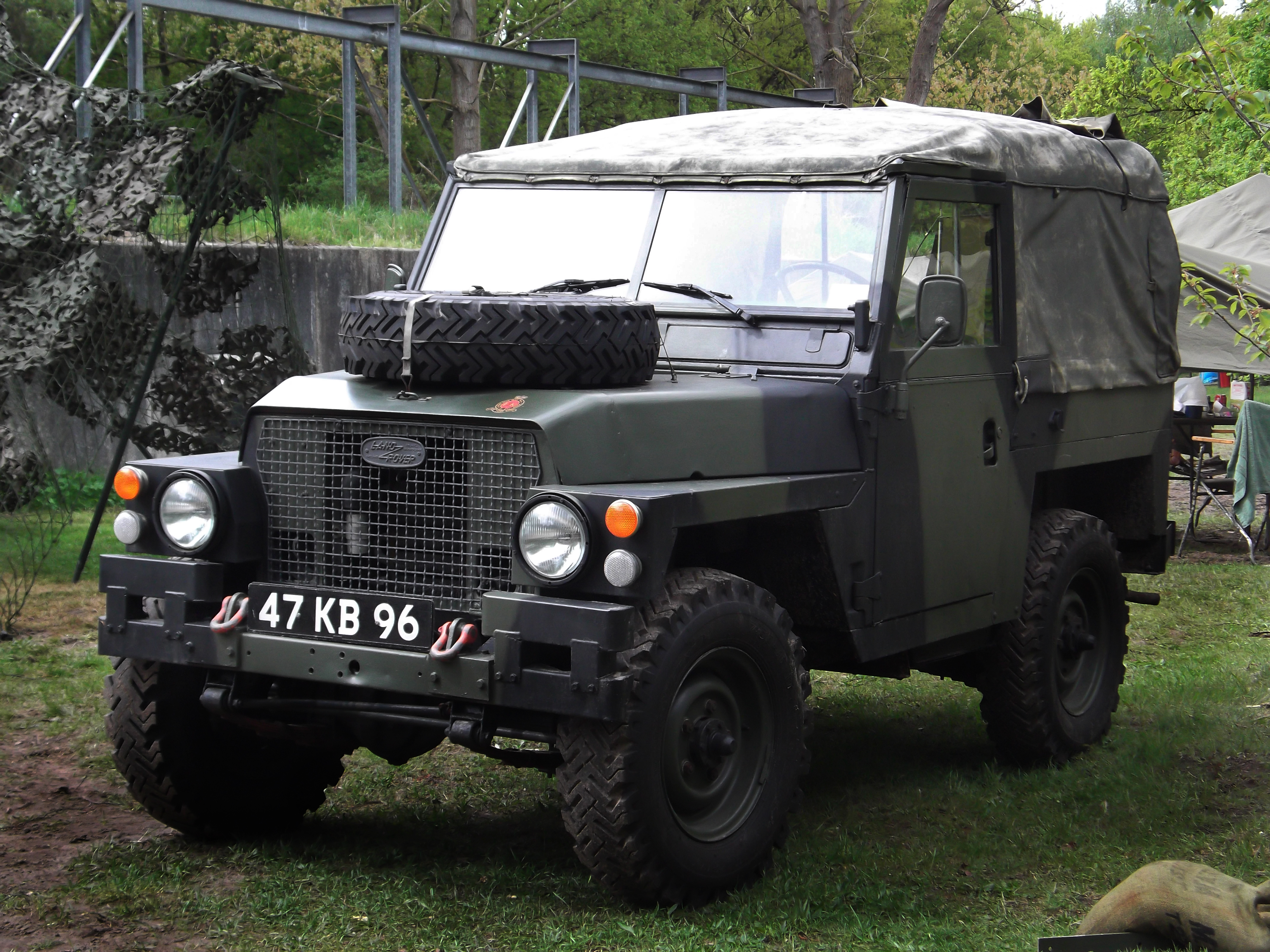
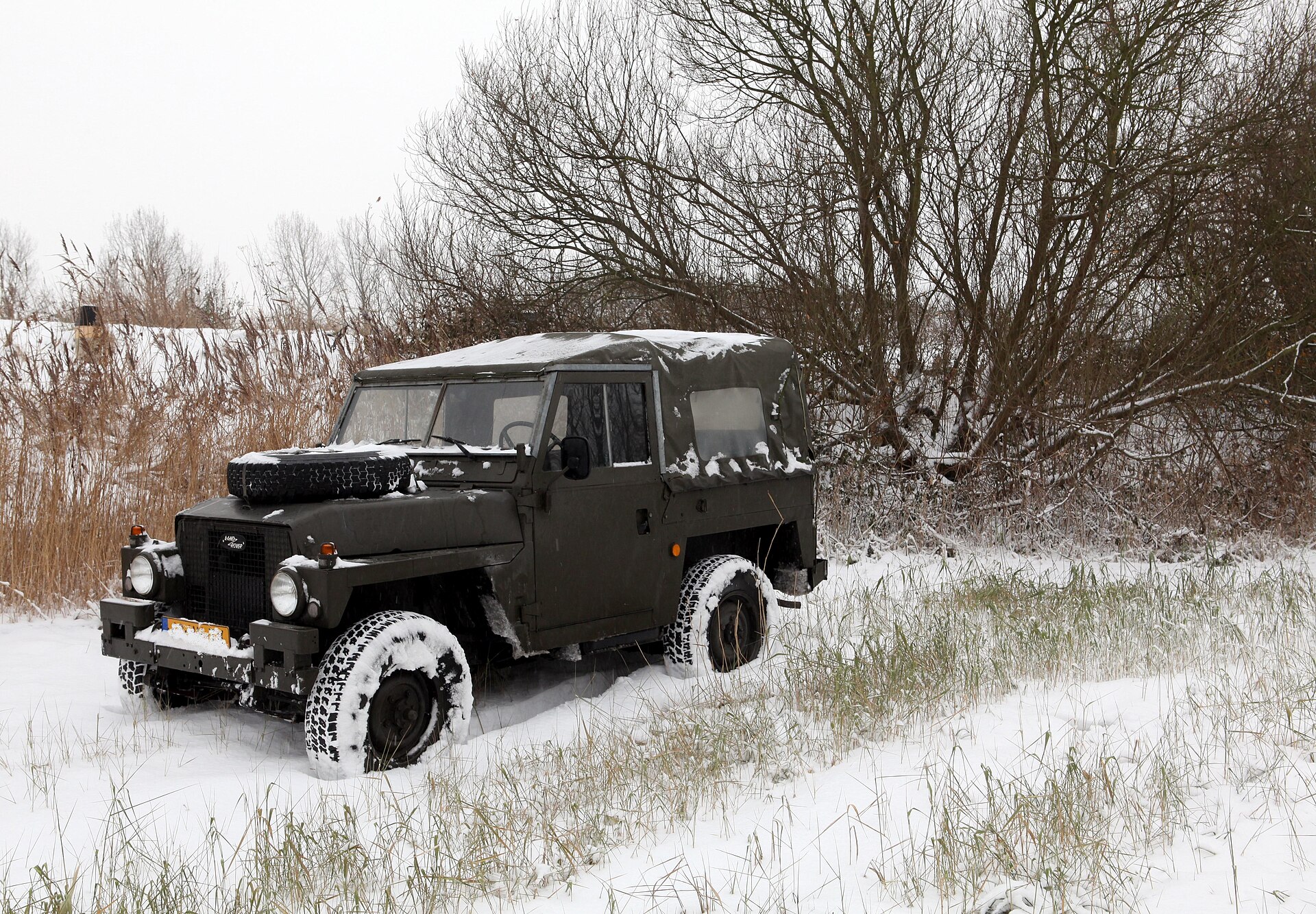
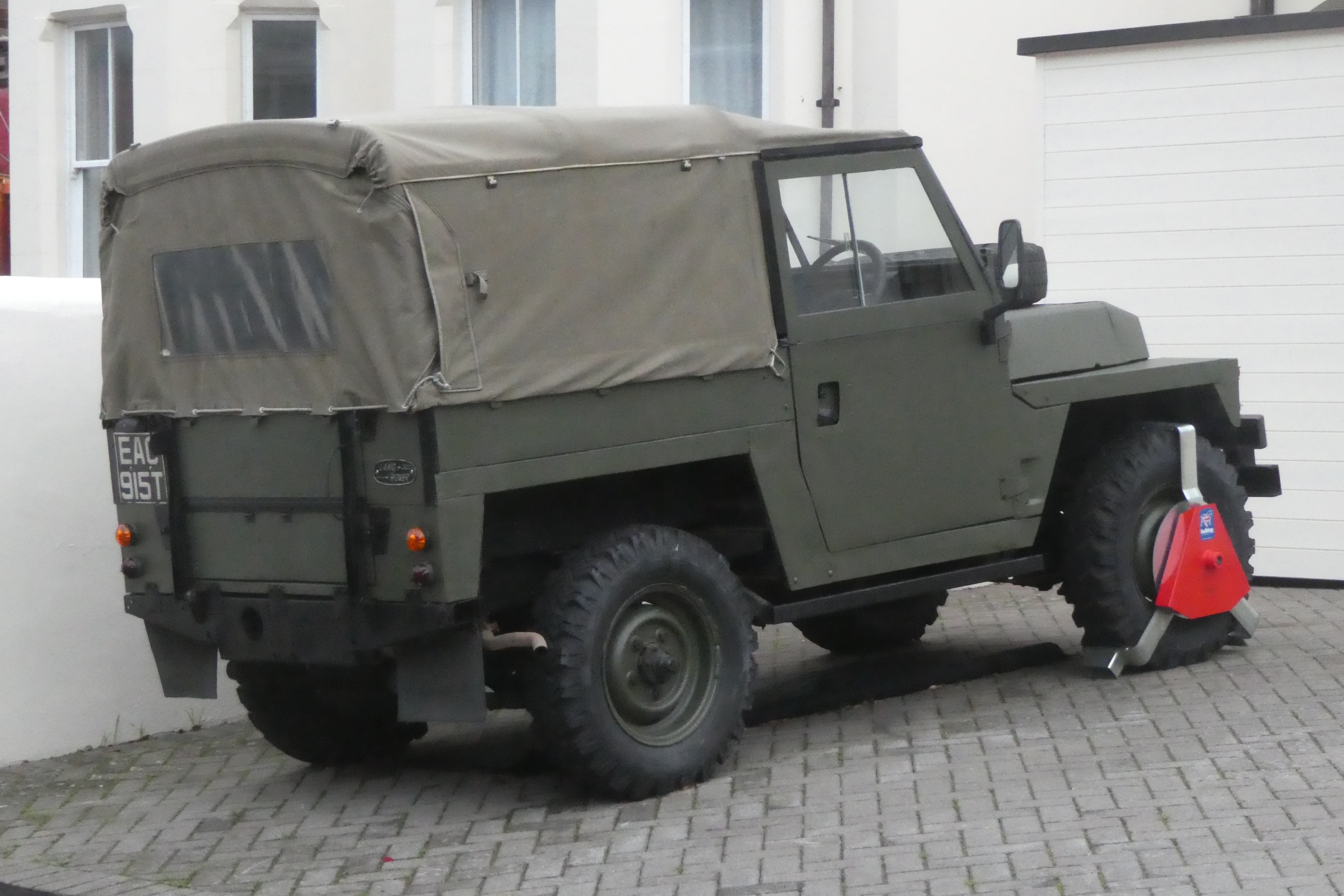
The Land Rover ½-ton Lightweight (Air-Portable) was a stripped-down, narrowed military Land Rover built from 1968 to 1984 so that a serviceable vehicle could be slung beneath a Westland Wessex helicopter or palletised for air freight.

Sources & evidence
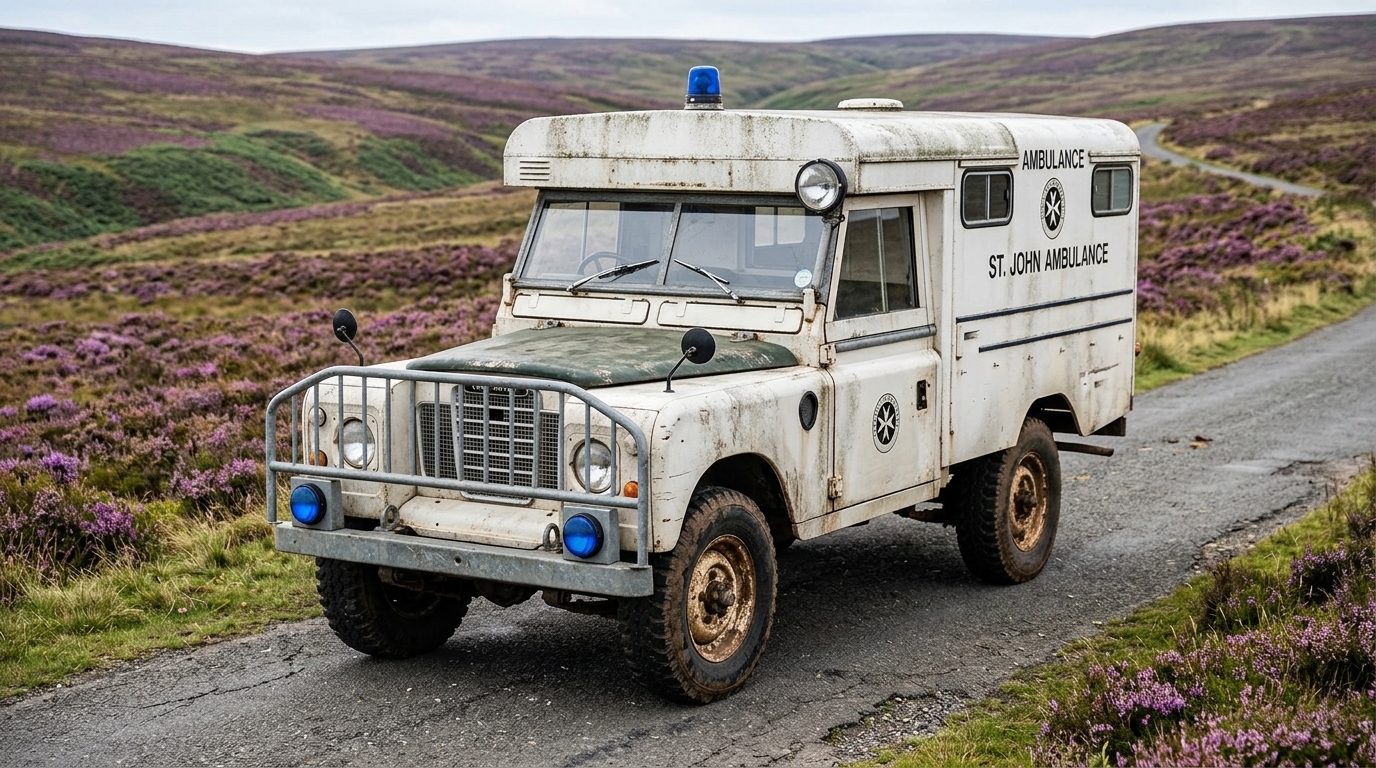
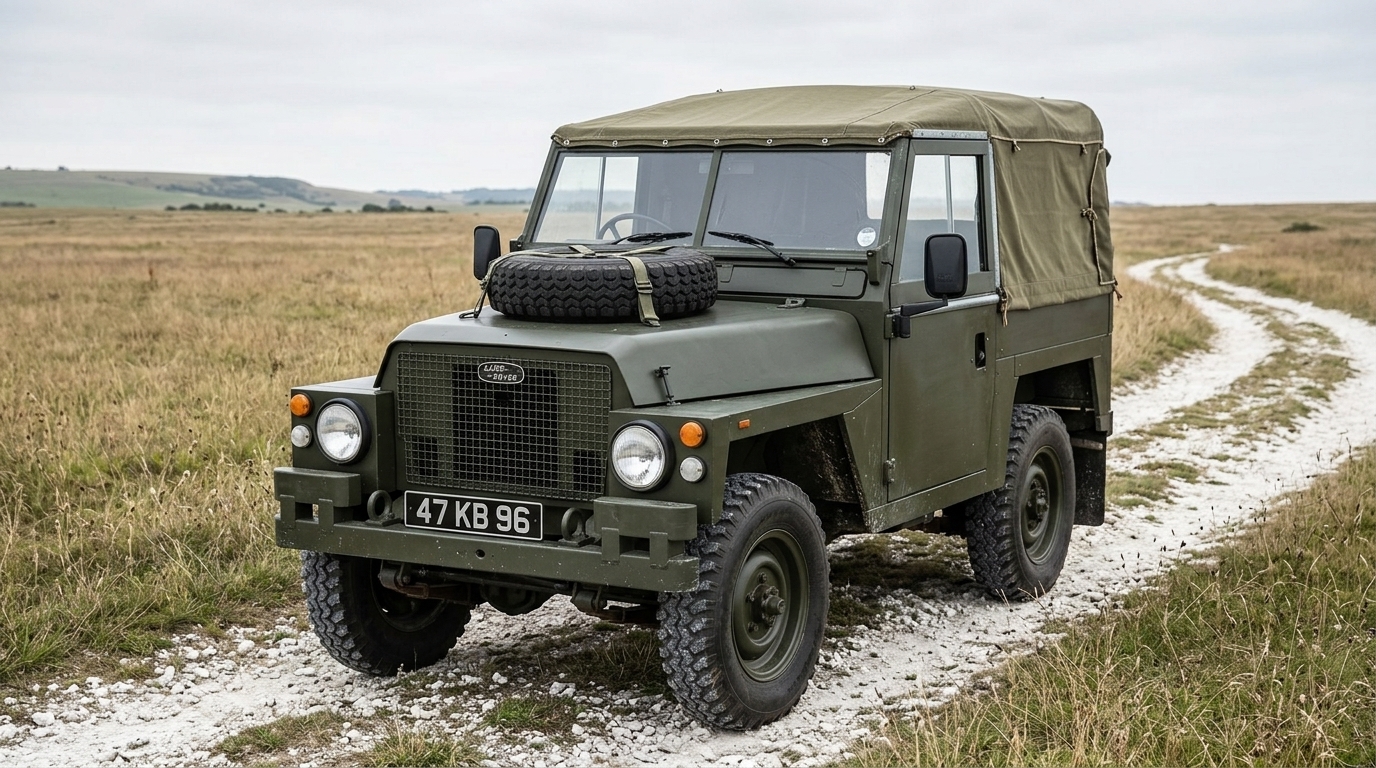
Half Ton Lightweight — Series III, 1968–84 — AI rendering impression, not a photograph
BASE VEHICLESeries III 109″BUILT BYLand Rover (Rover Company, later British Leyland)IN SERVICE1968–84OPERATED INUnited Kingdom, NetherlandsPRODUCTION~37,897 vehiclesLAYOUT4 wheels

The record

In the mid-1960s the British armed forces asked for a Land Rover that could be flown into battle. The standard 88-inch vehicle was too wide and too heavy for the helicopters of the day, so Rover redesigned it with new axles and shorter half-shafts to cut 4 inches (100 mm) from the width — letting it sit on a standard air-freight pallet — and made the upper bodywork, doors, windscreen, hood and bumperettes quickly demountable. With the removable panels stripped off, the 24-volt FFR version came down from 3,329 lb (1,510 kg) to 2,808 lb (1,274 kg), light enough for the Westland Wessex medium-lift helicopter's 2,500 lb underslung load — although in practice the margin was so tight that stripped-down flying was rarely needed once more powerful helicopters arrived.

Quantity production of the Series IIA Lightweight began on 11 November 1968, and the type entered service as the Truck, Utility, ½ Ton, 4×4. Estimates put Series IIA Lightweight production at roughly 1,500-3,000 vehicles before the model was replaced on the line in 1972 by the Series III Lightweight, once outstanding Series IIA orders for the MoD had been cleared. The Series III version, distinguishable by its flatter windscreen-mounted wipers, revised grille and all-synchromesh gearbox, carried the type through to the end of production in 1984 and accounts for the large majority of the 37,897 Lightweights (petrol and diesel) built in total — which is why this record is filed under the Series III model line.

Power came from the familiar 2.25-litre four-cylinder engines — the 73 hp petrol being standard in British service, with the 62 hp diesel favoured by some export customers such as the Netherlands. Lightweights served with all three British armed services in General Service (12-volt) and FFR 'Fitted For Radio' (24-volt) forms, and with the armed forces of more than twenty other countries. British vehicles were delivered in Deep Bronze Green, giving way to matt infrared-reflective NATO Green from the late 1970s. Large numbers were sold off from the mid-1980s as the Land Rover 90 and 110 replaced them, and the Lightweight is today one of the most affordable and popular ex-military Land Rovers in preservation.
Specification

MANUFACTURERLand Rover (Rover Company, later British Leyland)
MANUFACTURED1968-1972 (Series IIA); 1972-1984 (Series III)
ENGINE2.25 L petrol inline-four (73 hp); 2.25 L diesel inline-four (62 hp) option
PRODUCTION RUN~37,897 vehicles (Series IIA and III combined; Series IIA ~1,500-3,000)
COUNTRY OF ORIGINUnited Kingdom
OPERATED INUnited Kingdom, Netherlands
STATUSretired from military service; large numbers preserved
RECORD KINDNamed model
MODEL LINESeries III
WHEELS4
CATEGORYMilitary · UK

Catalogue fields describe the vehicle's structure and body as this registry records it. They are not certified factory measurements, and no performance figures are published here.

Variants & colours

Factory colours

  • Deep Bronze Green
  • NATO Green (IRR)

Codes on hover. Hex values are representative approximations of period paint unless a source states a measured value.

AI rendering impression

An AI rendering impression starts from a 3D model of this vehicle, which an image model then paints into a scene. It is an artist's impression of the type, made to give a feel for the vehicle in its element — not a photograph, and not a record of any particular vehicle.

Proportions, fittings, markings, colours and the setting can all drift from the original in the process. For the vehicle's actual details, rely on the specification, the photographs and the cited sources on this page.

Where it was

GB United Kingdom1968–1998NL Netherlands1973–1995 · Royal Netherlands Army and Marines
  1. BuiltLand Rover, Lode Lane, SolihullUnited Kingdom · 1968–198452.43, -1.78

Sources

  1. 1Land Rover ½ ton Lightweight ↗Wikipedia · accessed 2026-09-09SOURCE
  2. 2The History of Lightweight Land Rover (production began 11 November 1968; 37,897 built 1968-1984) ↗The Military Lightweight Club · accessed 2026-09-09SOURCE
  3. 3The Land Rover History: Lightweight SIIA & SIII (Series III Lightweight from 1972 after SIIA MoD orders cleared) ↗Winwaed · accessed 2026-09-09SOURCE
  4. 4Land Rover Lightweight - The Compact Land Rover ↗MAR Online · accessed 2026-09-09SOURCE
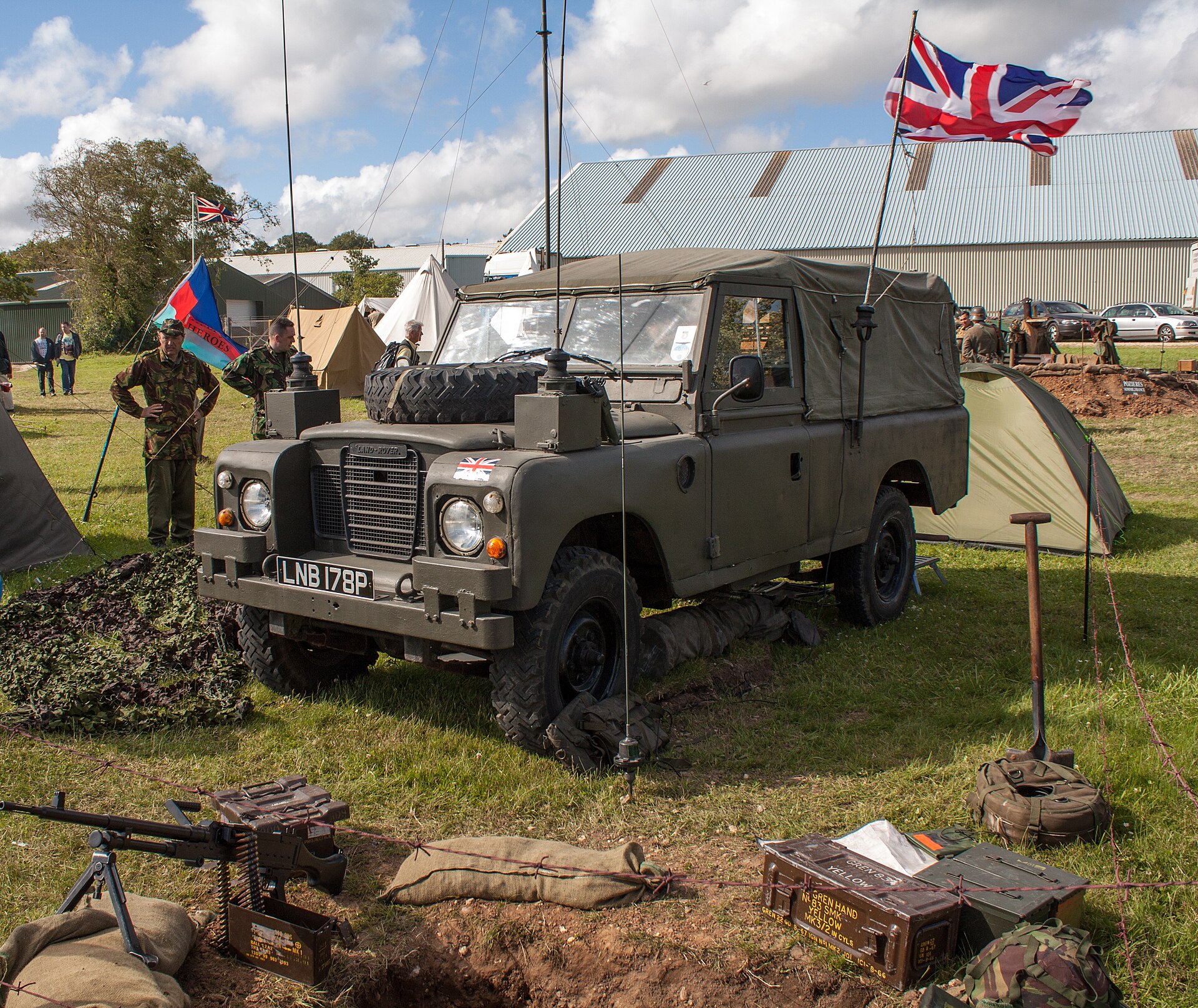
  5. 5Land Rover Lightweight 47 KB 96 — Dennis Elzinga photograph ↗Wikimedia Commons · accessed 2026-09-14SOURCE
  6. 6
    Half Ton Lightweight · MILITARY-MODEL-REFERENCES.md

    - [Jake Wright's Series IIA Lightweight photographs](https://www.jakewright.com/news/2018/october/2-lightweights-going-export): production tapered bonnet, inboard lamps, thin cut-away front wings and bumper lifting blocks. - [Historics' 1969 ex-RAF Lightweight](https://www.historics.co.uk/auction/lot/lot-209---1969-land-rover-series-iia-lightweight/?lot=12893&sd=1): continuous tapered radiator panel, wire grille and square rear wheel openings. - The previously used Dunsfold vehicle is a 1966 prototype; its collection description explicitly says its body differs substantially from production. Use the production photographs above for this model.

    NOTES
  7. 7
    [Jake Wright's Series IIA Lightweight photographs](https://www.jakewright.com/news/2018/october/2-lightweights-going-export): production tapered bonnet, inboard lamps, thin cut-away front wings and bumper lifting blocks. · MILITARY-MODEL-REFERENCES.md

    - [Jake Wright's Series IIA Lightweight photographs](https://www.jakewright.com/news/2018/october/2-lightweights-going-export): production tapered bonnet, inboard lamps, thin cut-away front wings and bumper lifting blocks.

    NOTES
  8. 8
    [Historics' 1969 ex-RAF Lightweight](https://www.historics.co.uk/auction/lot/lot-209---1969-land-rover-series-iia-lightweight/?lot=12893&sd=1): continuous tapered radiator panel, wire grille and square rear wheel openings. · MILITARY-MODEL-REFERENCES.md

    - [Historics' 1969 ex-RAF Lightweight](https://www.historics.co.uk/auction/lot/lot-209---1969-land-rover-series-iia-lightweight/?lot=12893&sd=1): continuous tapered radiator panel, wire grille and square rear wheel openings.

    NOTES

Registry record updated 2026-09-16T21:39:35.706Z · status: researched