Histories of the Land Rover in each of its working roles — police, fire, rescue, ambulance, military and expedition use — from the first Series I conversions of the early 1950s to the last Defenders, written from the vehicles in the registry.
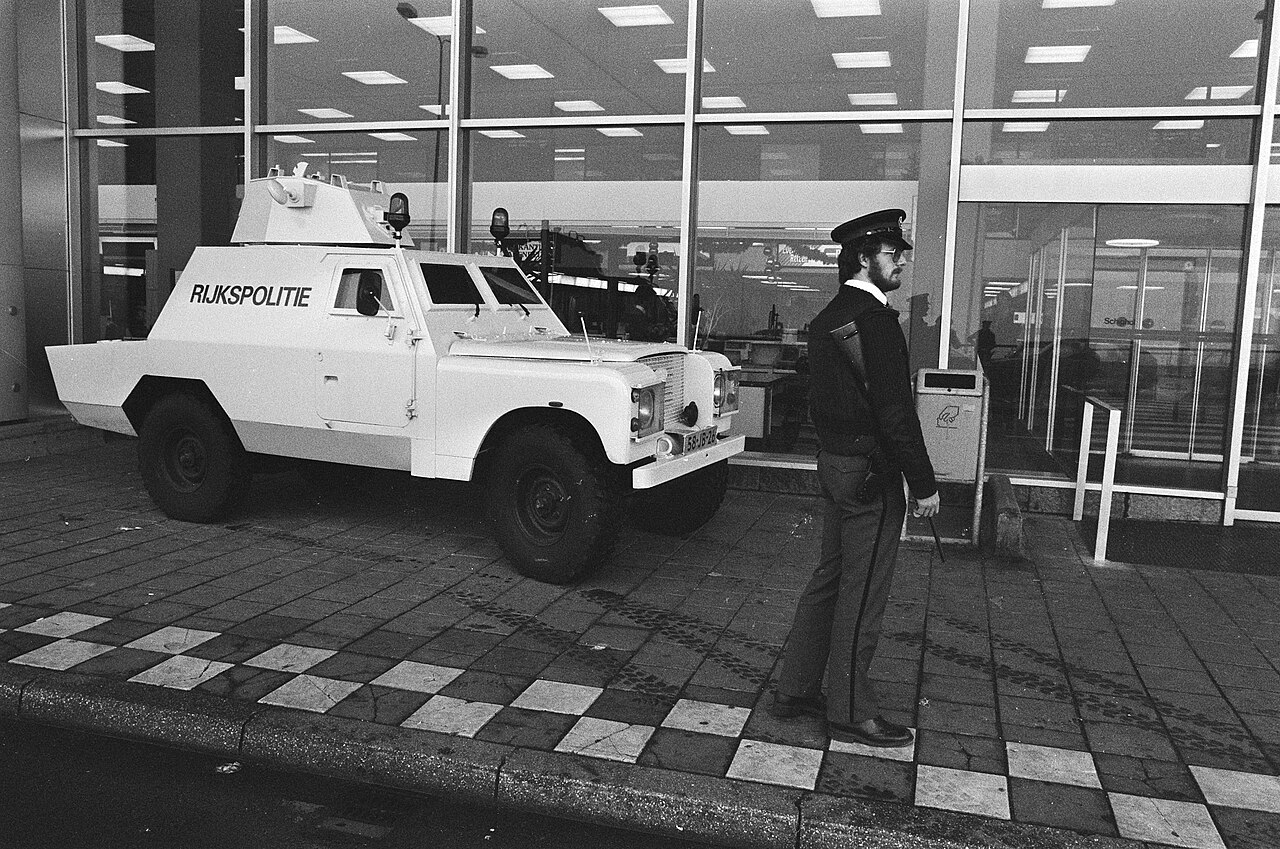
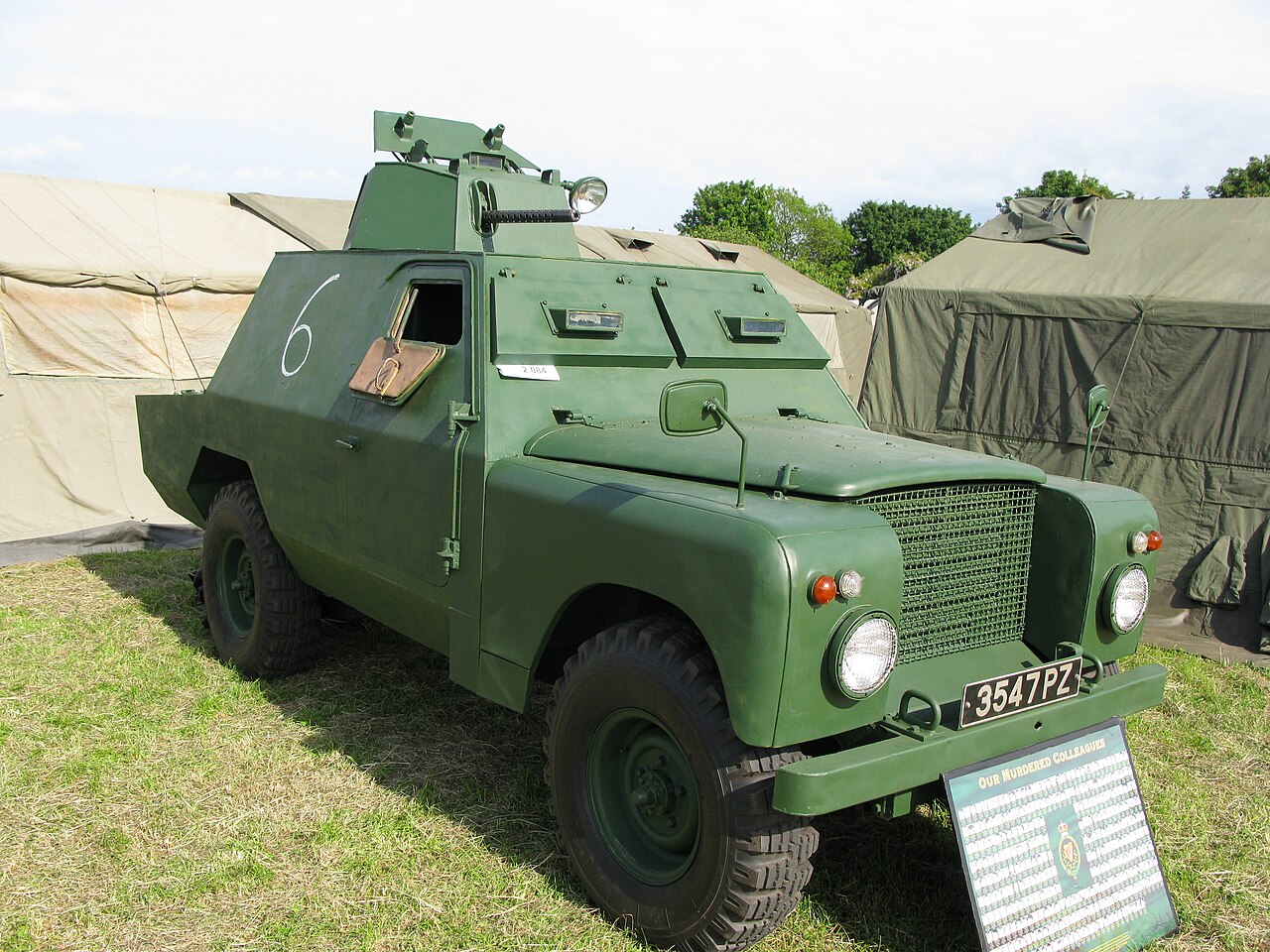
Police forces have used Land Rovers since 1951, when the Belgian gendarmerie took Minerva-built 80-inch Series Is; the registry's police records run from rural patrol cars and station wagons to the armoured Shorlands, Hotspurs, Tangis and Pangolins built for the Royal Ulster Constabulary and its successor over fifty years.
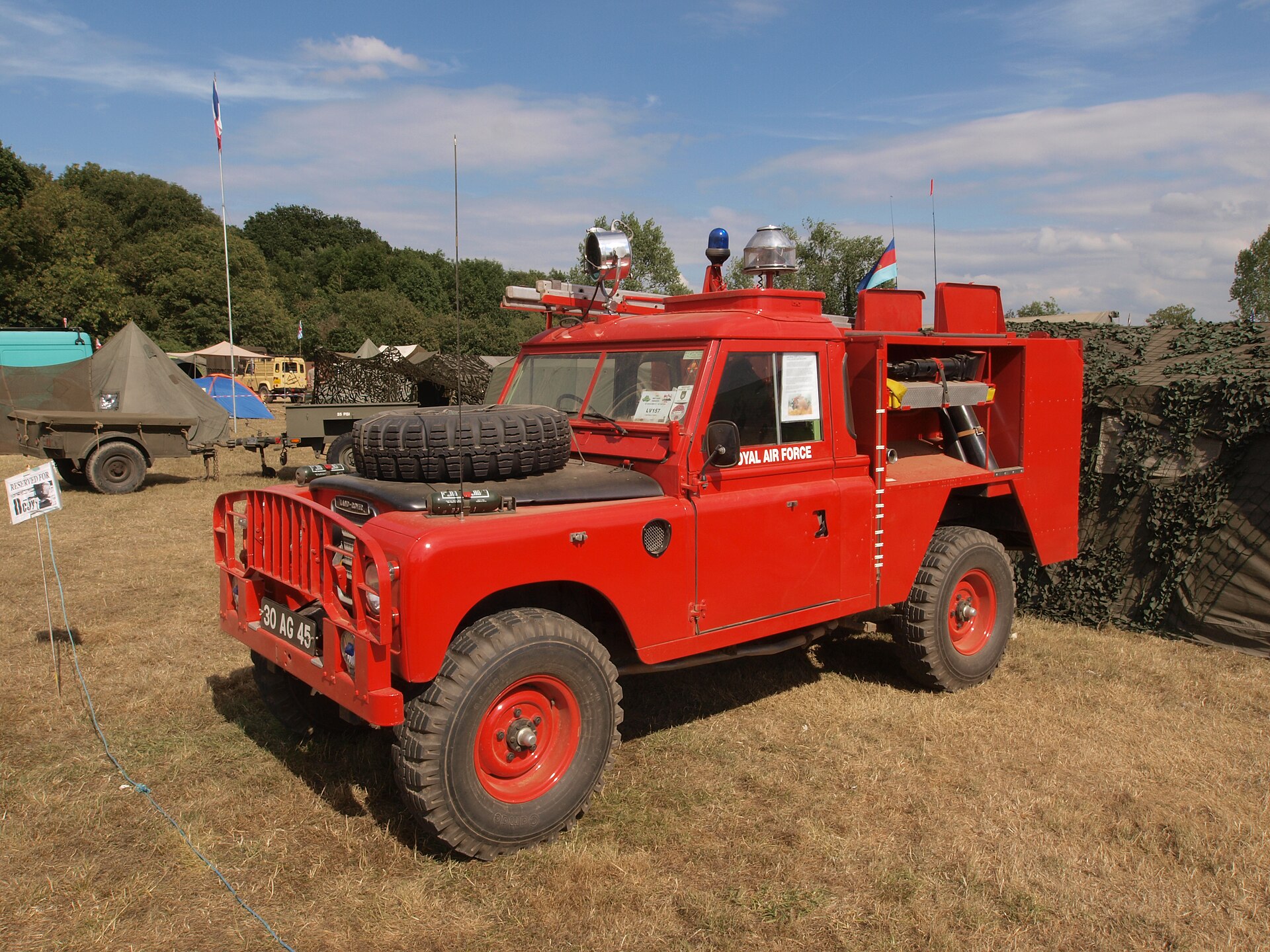
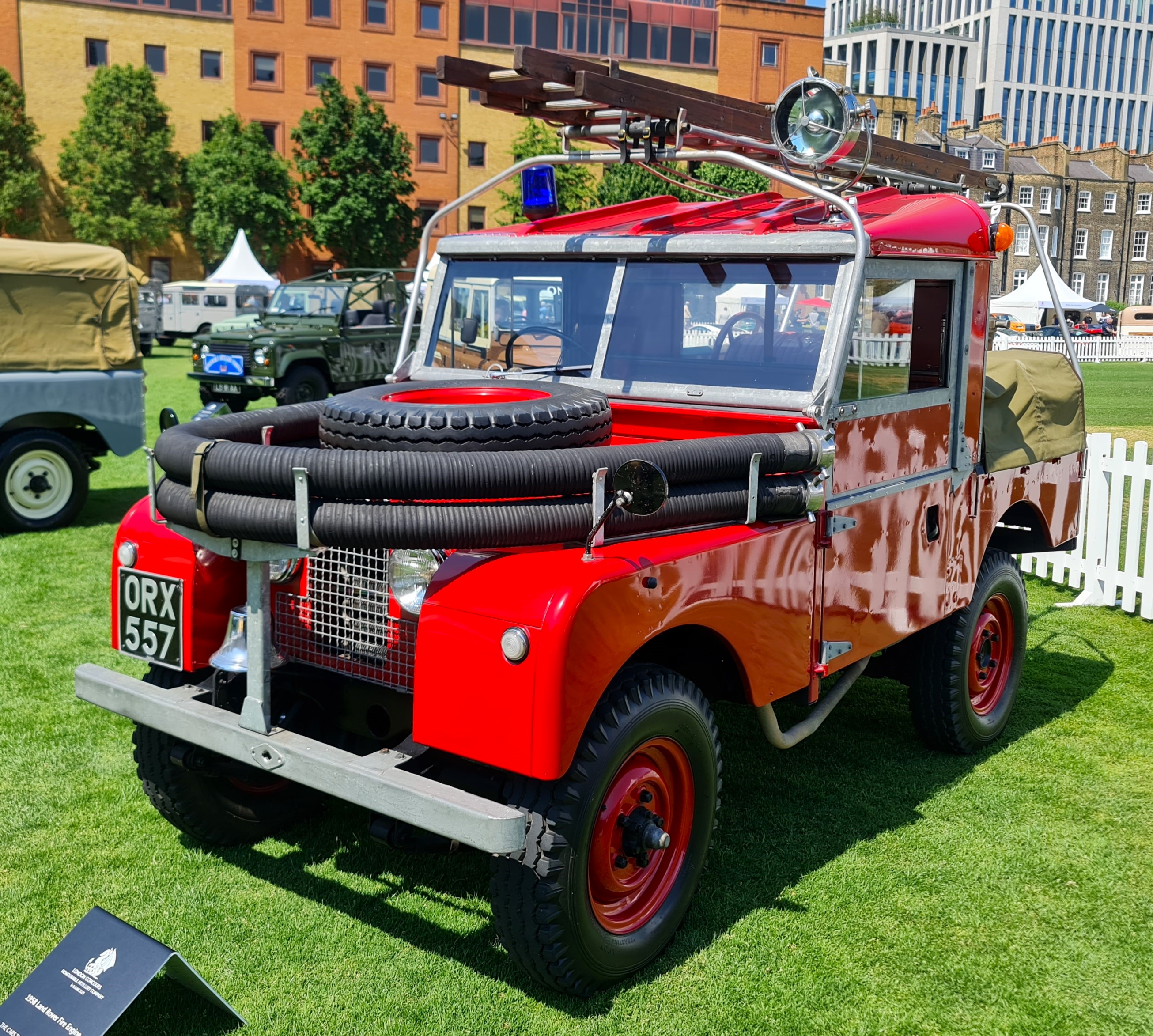
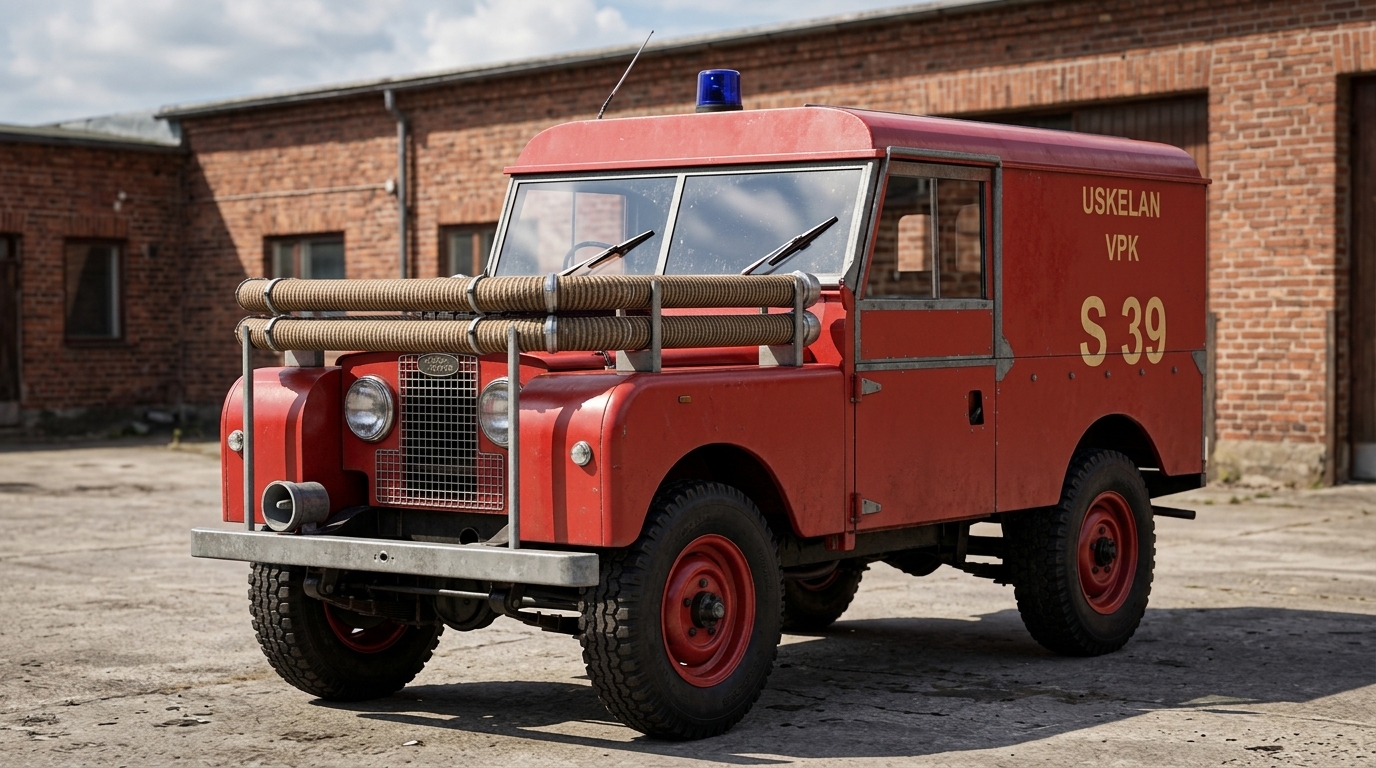
Rover listed a fire tender in the Land Rover's first years, and small four-wheel-drive appliances on the chassis have been built ever since by Carmichael, HCB-Angus, Bates and others for works brigades, airfields, forestry and rural fire services in Britain and abroad.
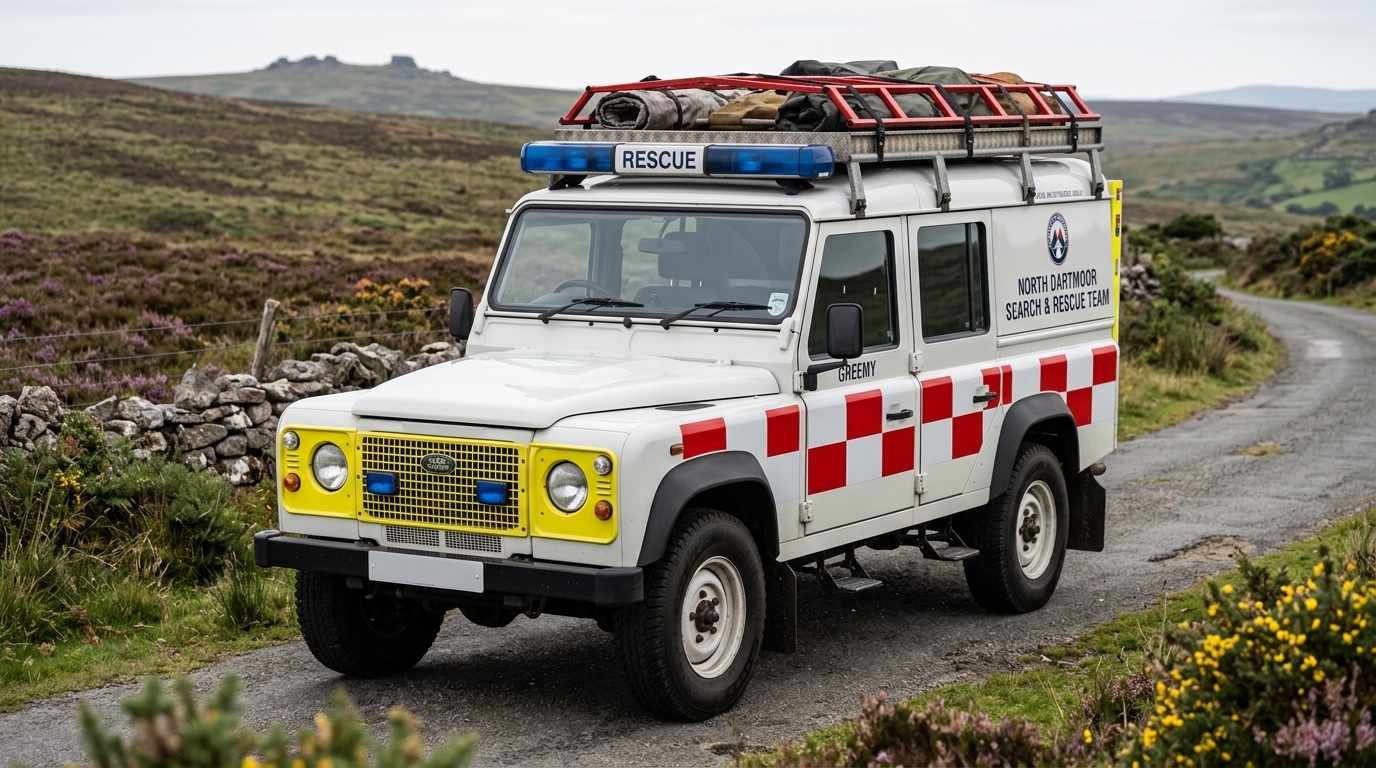
Land Rovers used for rescue: airfield crash tenders, mountain and cave rescue vehicles, lifeboat launching tractors, coastguard and beach patrol vehicles, and the specialist conversions built for them.
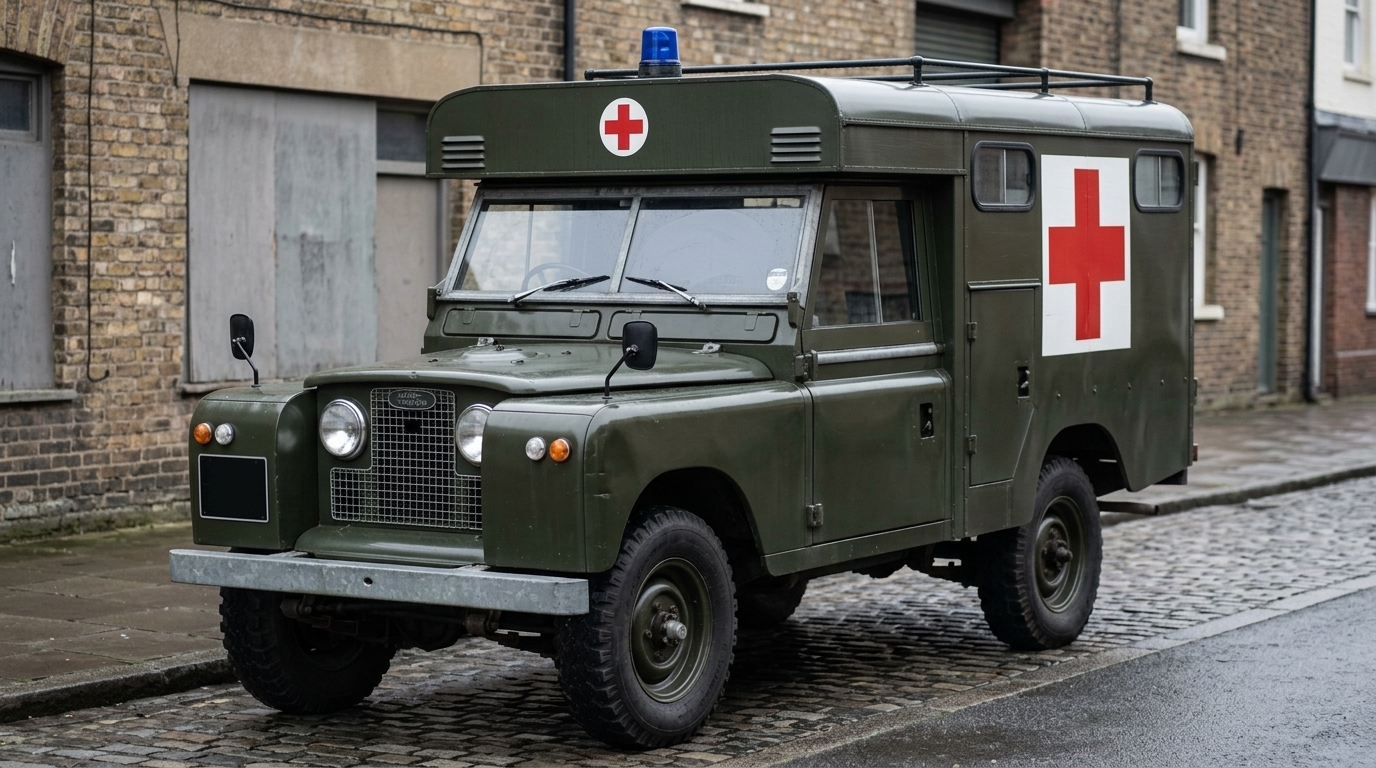
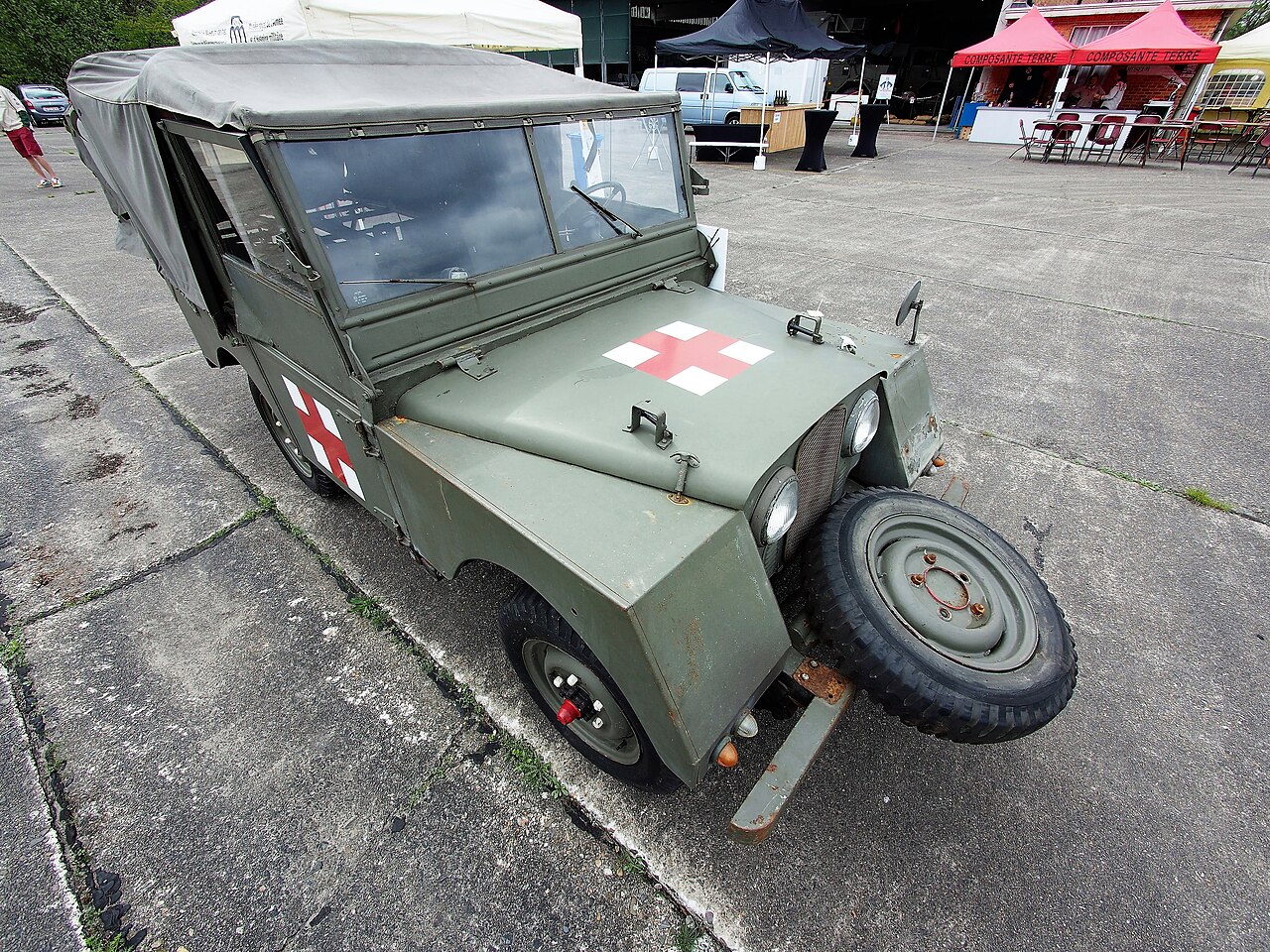
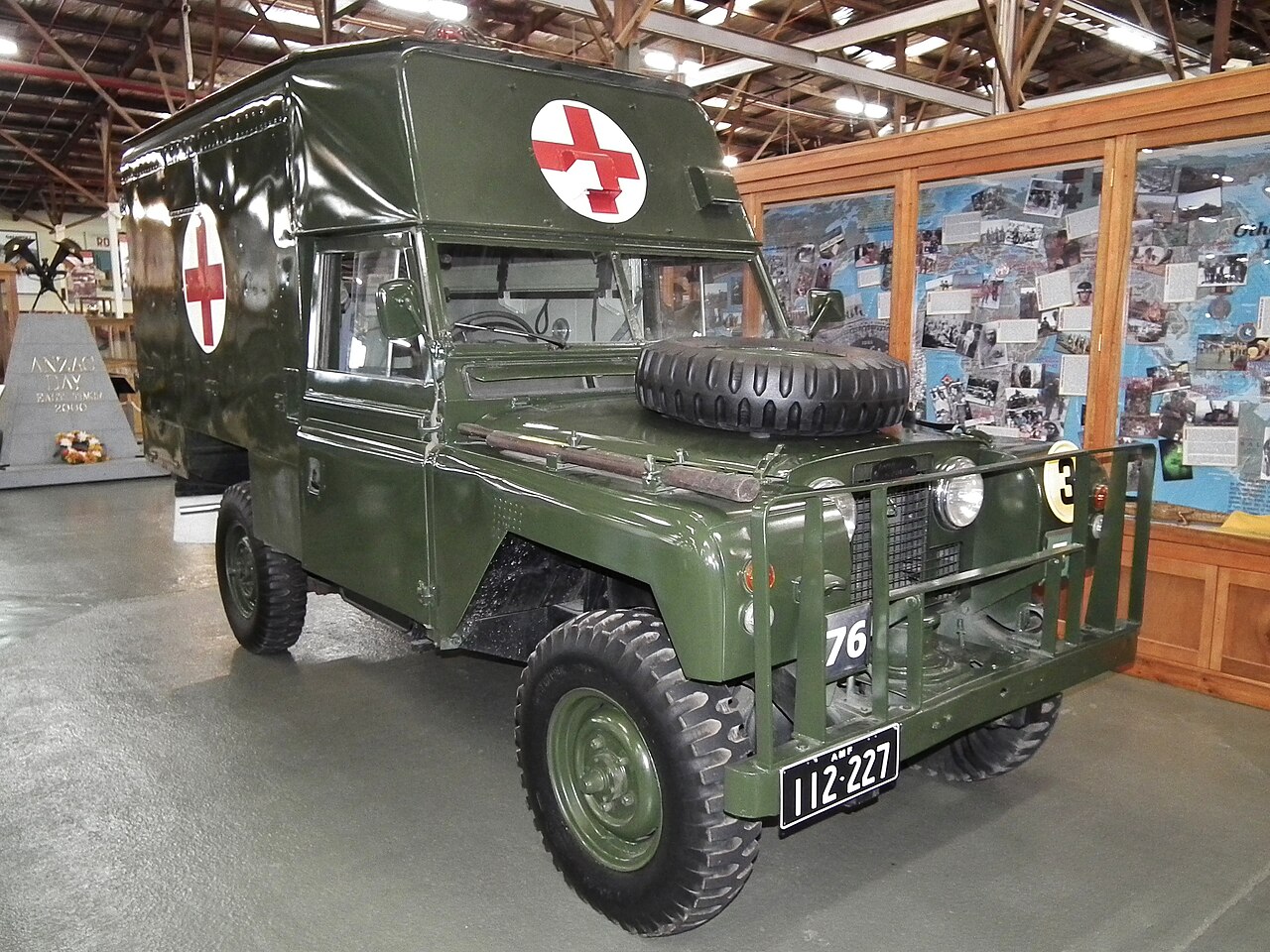
Ambulance bodies on the Land Rover chassis, from the two-stretcher Minerva of the Belgian Army and the Marshall box body on the 109 to the demountable modules of the six-wheeled Perentie, in military and civilian service.
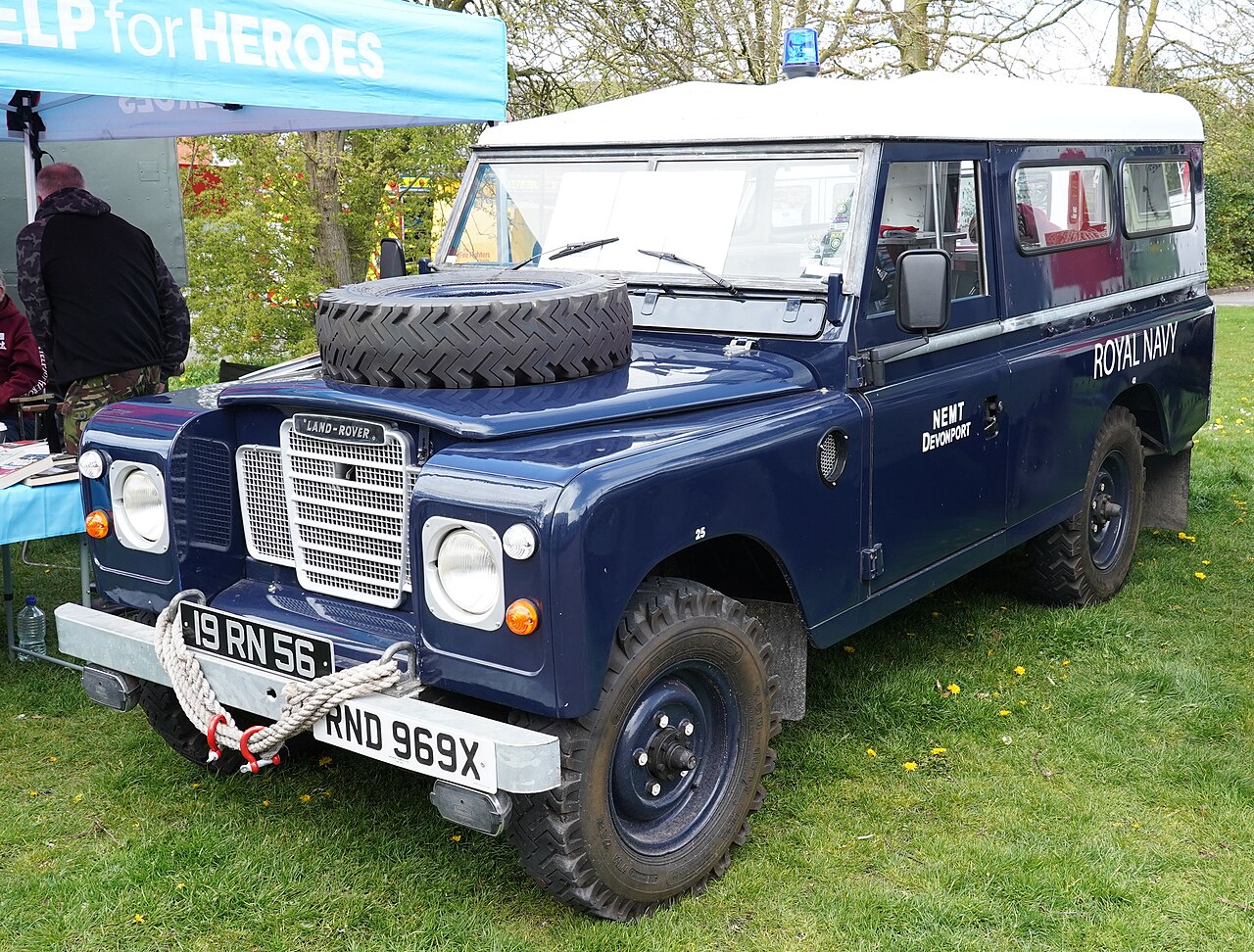
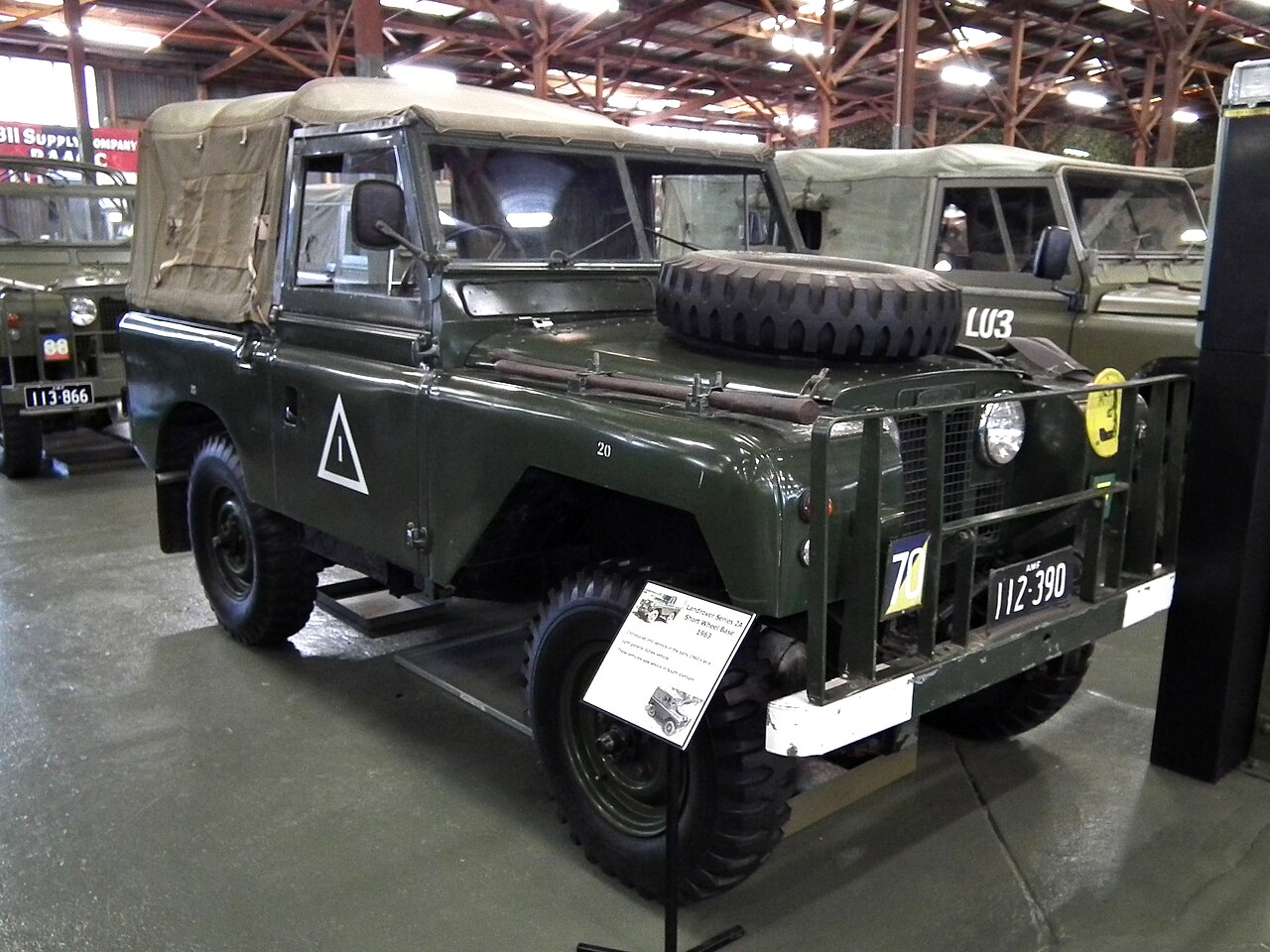
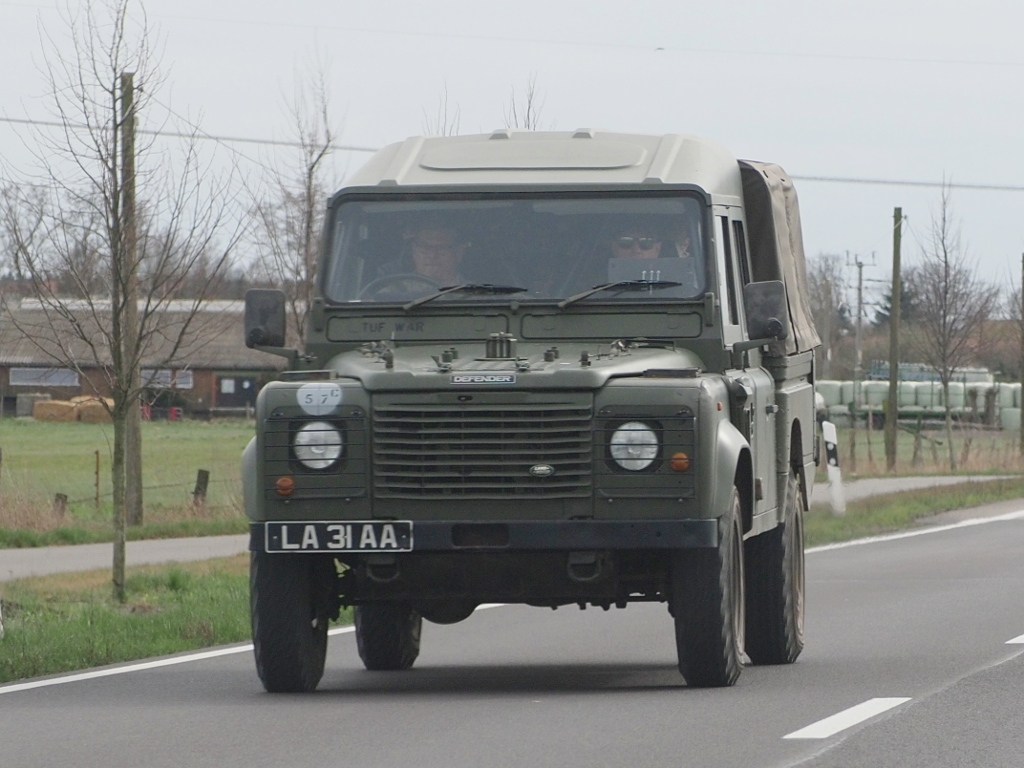
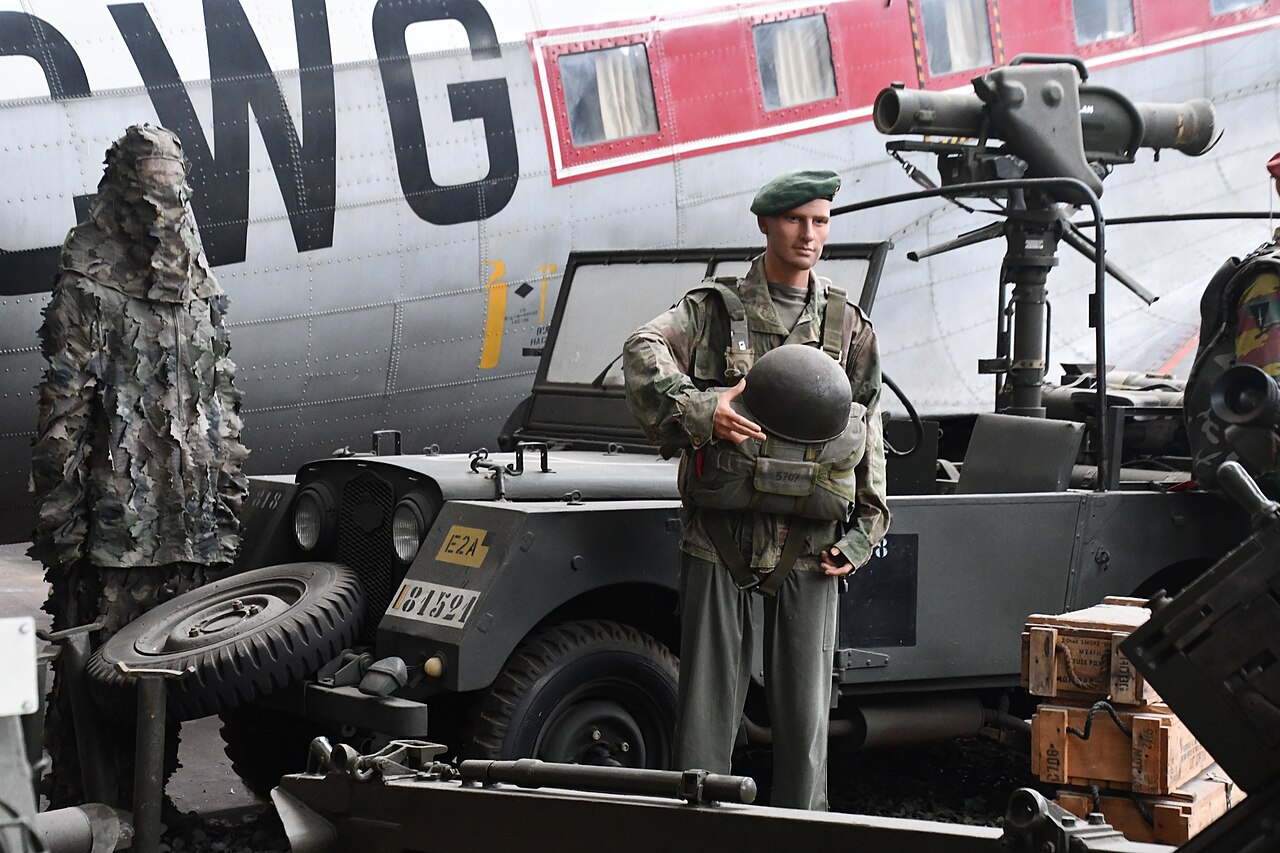
Military Land Rovers from the Minerva-built Series I of the Belgian Army in 1952 to the Wolf, Snatch and WMIK Defenders of the British Army, including the airportable Lightweight, the 101 Forward Control and the Australian Perentie.
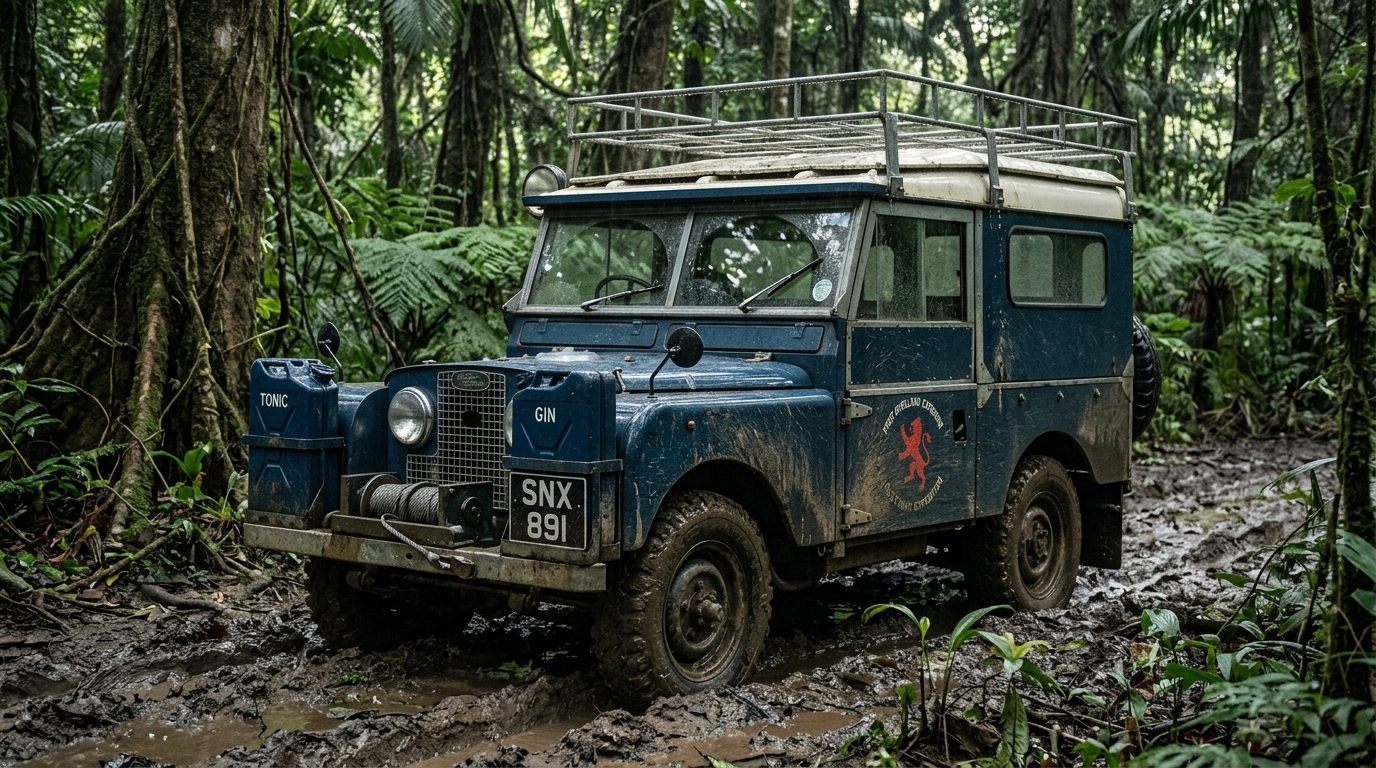
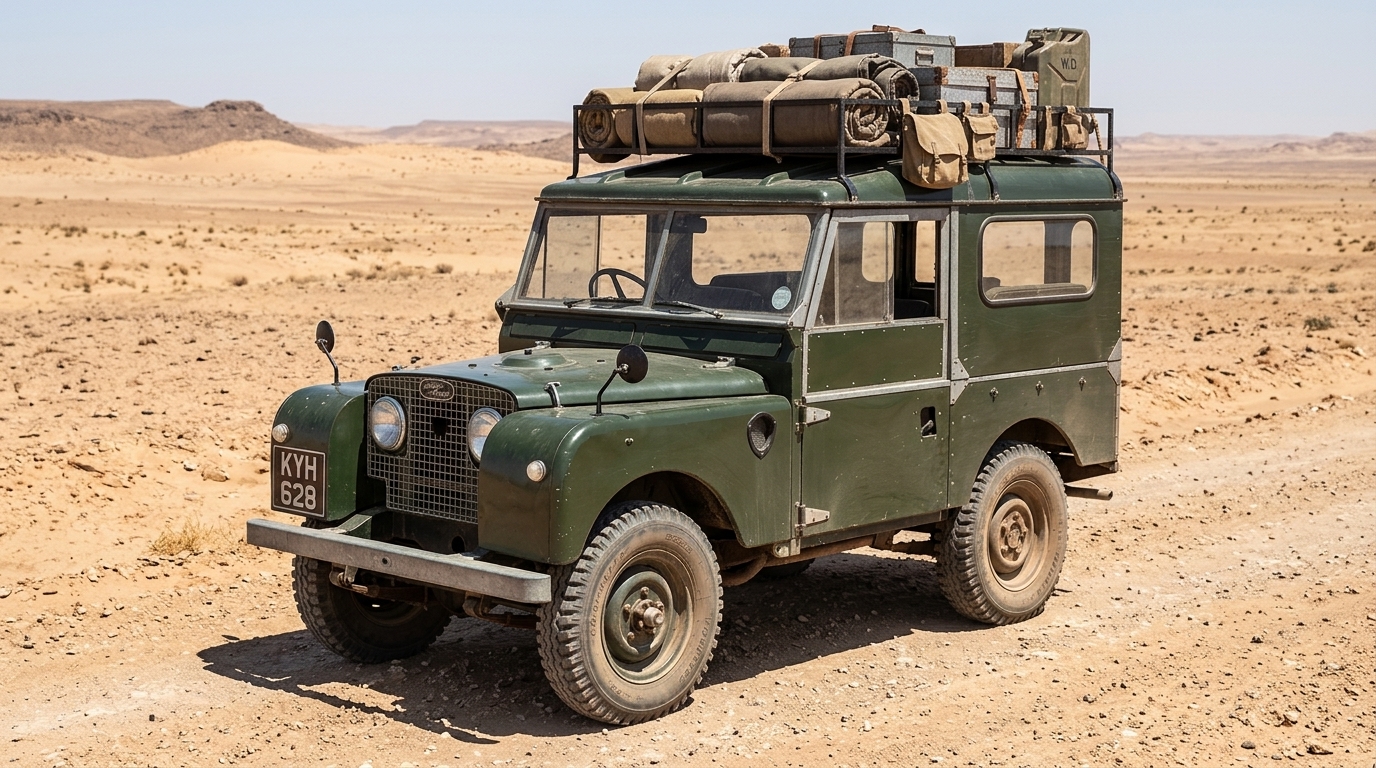
Land Rovers used on expeditions from Barbara Toy's 1950 drive from Tangier to Baghdad in a second-hand 80-inch to the amphibious Defender that crossed the Bering Strait in 2008: university and services expeditions, record attempts, the Camel Trophy and G4 Challenge, and the Royal Geographical Society's bursary vehicles.