The expedition
Laurens van der Post first went into the Kalahari in 1950, when Lord Reith of the Colonial Development Corporation asked him to assess the desert of the Bechuanaland Protectorate for cattle ranching; he went back in 1952. In 1955 the BBC commissioned him to return in search of the Bushmen — the San hunter-gatherers he called the aboriginal inhabitants of Africa — and to film the search. The expedition members are introduced on camera in the second episode of the resulting series, which shows the logistics of preparing the journey and the party setting off, the white members 'humming trekker tunes' as the Land Rovers drive away into the distance to Afrikaans folk music. Van der Post described one companion as a sort of Afrikaner Allan Quatermain; the guide Dabe, a 'tame' Bushman, is the man who first calls out that there is a wild man in the grass. Gethin Bradley, the Rover Company's press officer from 1955, later listed van der Post among the expeditioners he had looked after, and the cars are described as four Series I Land Rovers.
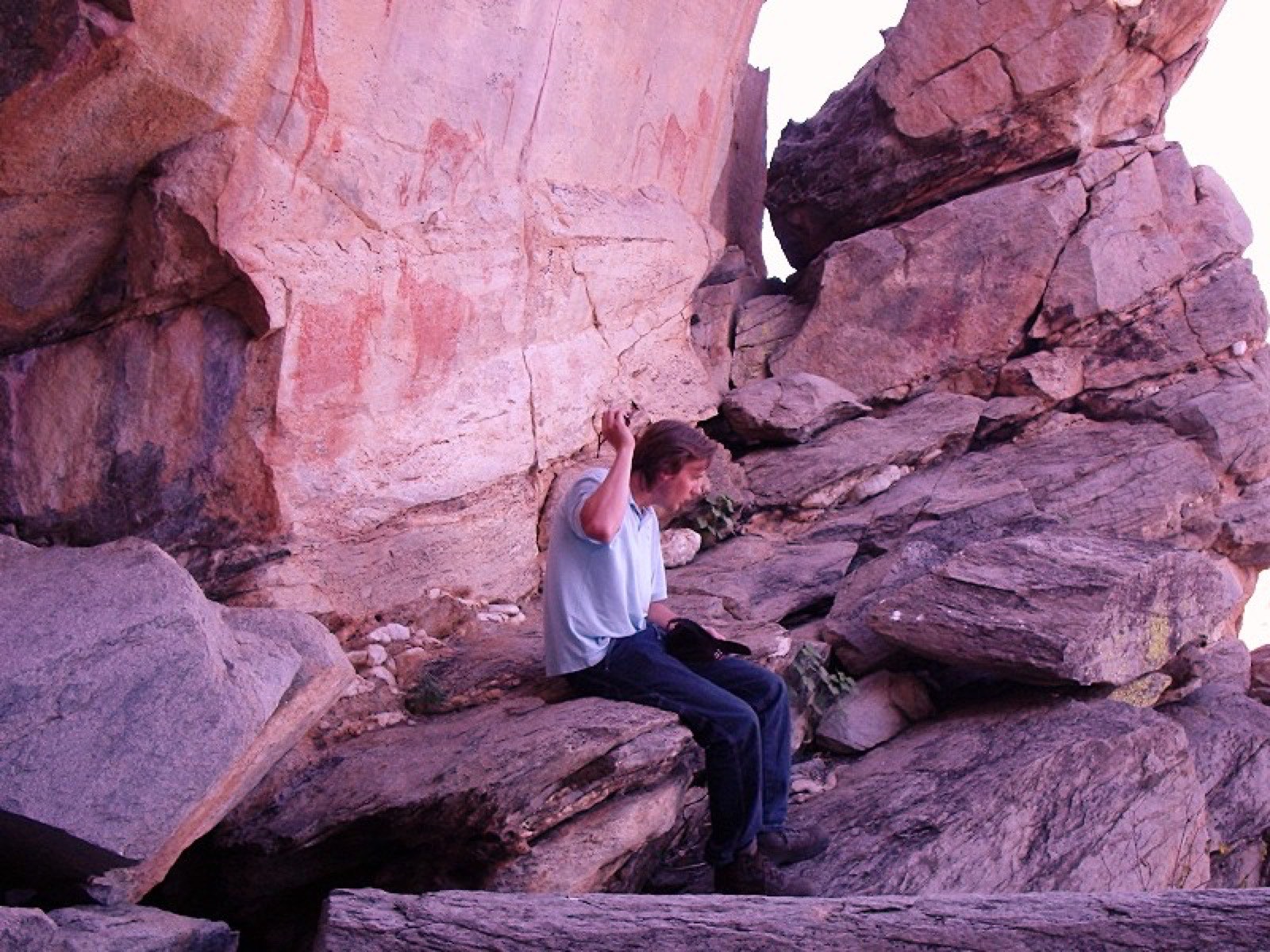
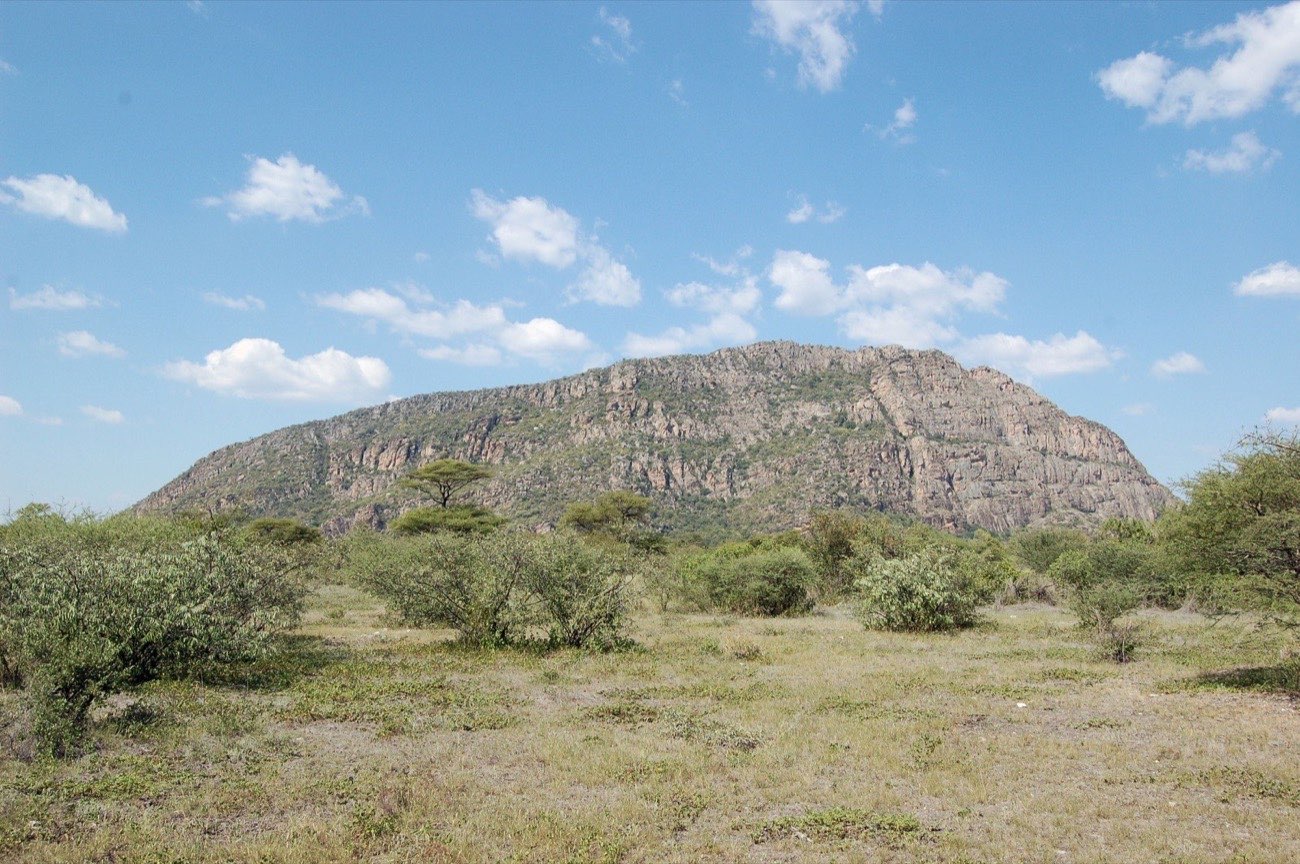
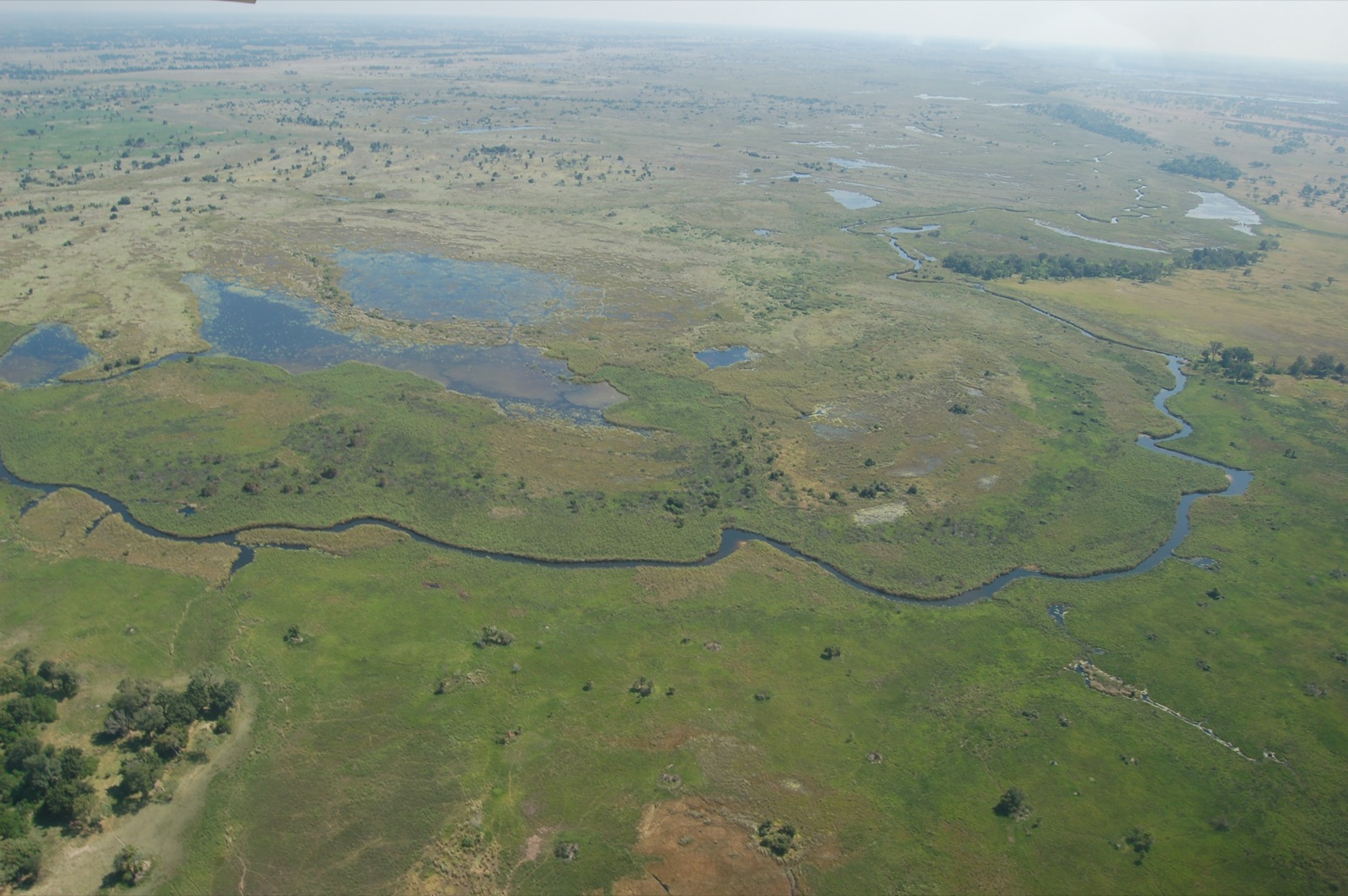
The route, which van der Post inscribed on a large map of Africa from his London studio between episodes, ran through what he called the unexplored Chobe and Okavango swamps, where the expedition sought the 'River Bushmen' under warnings of tsetse fly, and relied on bases set up around the perimeter of the Kalahari for stores and water. The third episode, 'The Spirits of the Slippery Hills', takes the party to the Tsodilo Hills in the north-west, where a Bushman family was said to live: a local guide and his son explained the hills' sanctity, an expedition member broke the guide's ban on hunting, the party was plagued by misfortune and the cameras jammed until van der Post made his peace with the spirits of the hills — an episode J. D. F. Jones later showed to be distorted, since the hills and their rock paintings had been known to Europeans for half a century. The panel of paintings he described there is nonetheless still called the Laurens van der Post panel. Episodes four to six were filmed at 'the Sipwells' in what he presented as the heart of the desert — the life of a small Bushman band, the hunt for the great eland, a trance dance and the coming of the rains — though his own route map shows the filming was done in the Ghanzi district, and the time actually spent with the Bushmen was about two weeks.
Lost World of Kalahari, six half-hour episodes on black-and-white 16 mm film narrated by van der Post from a studio hung with rock-art fabric and masks, was broadcast by the BBC in 1956. The book The Lost World of the Kalahari followed in 1958 and became his best-known work; The Heart of the Hunter came in 1961. Van der Post showed the film to the committee drawing up Bechuanaland's constitution and it influenced the setting aside of the Central Kalahari Game Reserve in 1961, which became law when Botswana was created in 1966 — the same reserve from which the Bushmen were later evicted, in part because of the ranching survey he had made in 1950. Historians have since dismantled much of the expedition's mythology, but the series was the first television most viewers had seen of the Kalahari and its people, and the Land Rovers driving off into the desert were part of what its audience remembered.


.jpg)
