The expedition
When the Camel Trophy ended in 2000 Land Rover built its own event. The G4 Challenge was an 18-month programme: national selections in each of sixteen countries, then International Selections at Eastnor Castle in Herefordshire from 19 January 2003, five cold, wet, muddy days in which 32 men and women were trained in 4x4 driving, kayaking, orienteering, GPS, first aid and abseiling before one competitor per nation went through. Each stage began with Team Partnership Selection, the top eight choosing partners from the rest, and each day with the Strategy Pit, where pairs planned which of up to six 'Hunters' — competitive tasks reached by road and track — they would attempt before a camp curfew that wiped a day's points if missed. Every stage ended in a 'Maximiser', a multi-sport race.
Stage 1 began in downtown Manhattan on Sunday 30 March 2003: a driving trial on Broadway, then a 49-strong convoy of Freelanders with Discovery, Defender and Range Rover support vehicles led out of the city by NYPD patrol cars, over the Hudson and north into the Catskills to a snow-covered camp at Frost Valley. The five days took in the Adirondacks around Lake Placid at minus ten degrees, a driving slalom at Equinox in Vermont and the White Mountains of New Hampshire — three New England states and more than a thousand miles, with snowshoeing and orienteering among the Hunters. Chester Foster and Guy Andrews lost a whole day's points by failing to find the camp 'dibber' before the ten o'clock curfew.
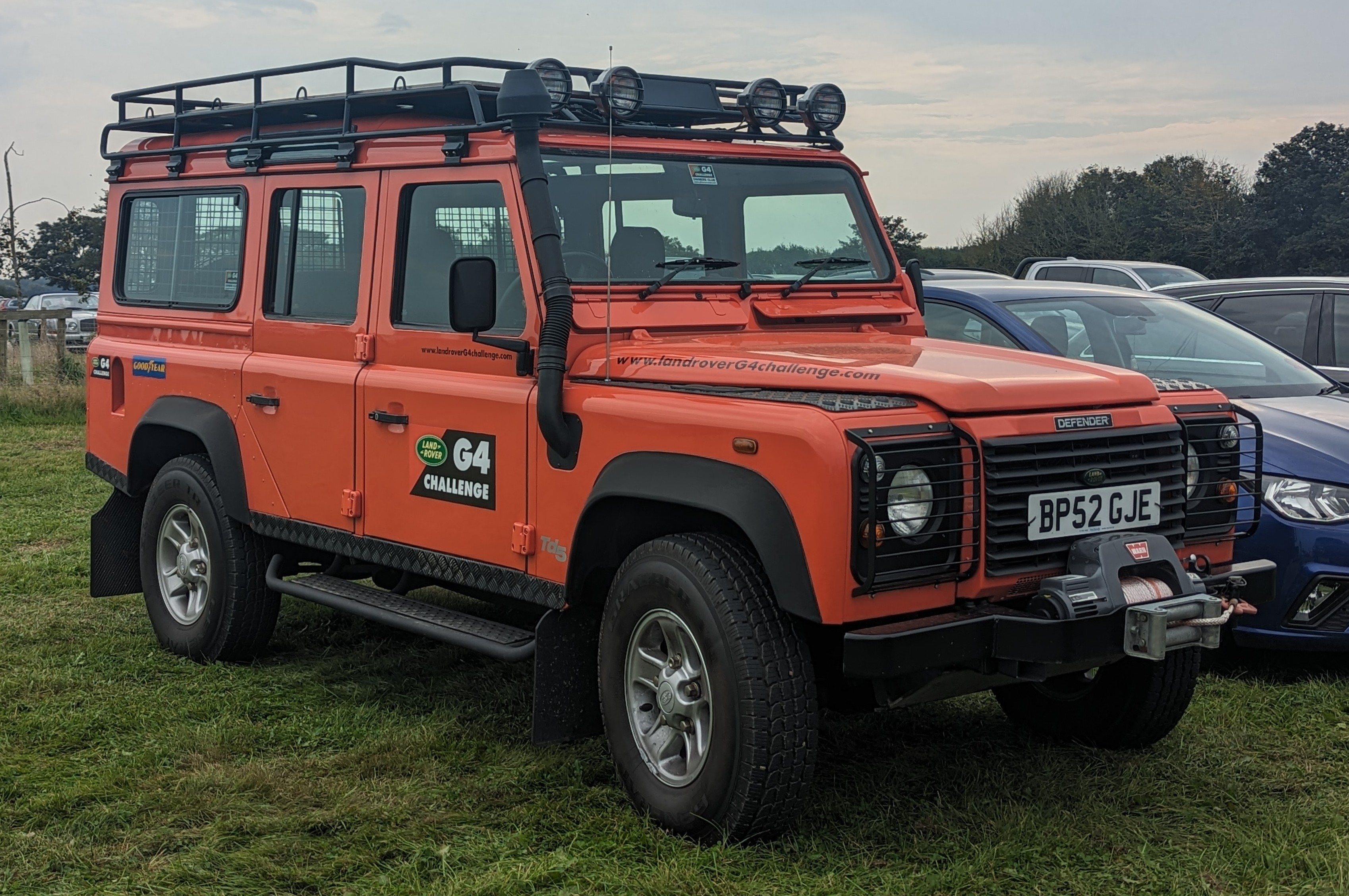
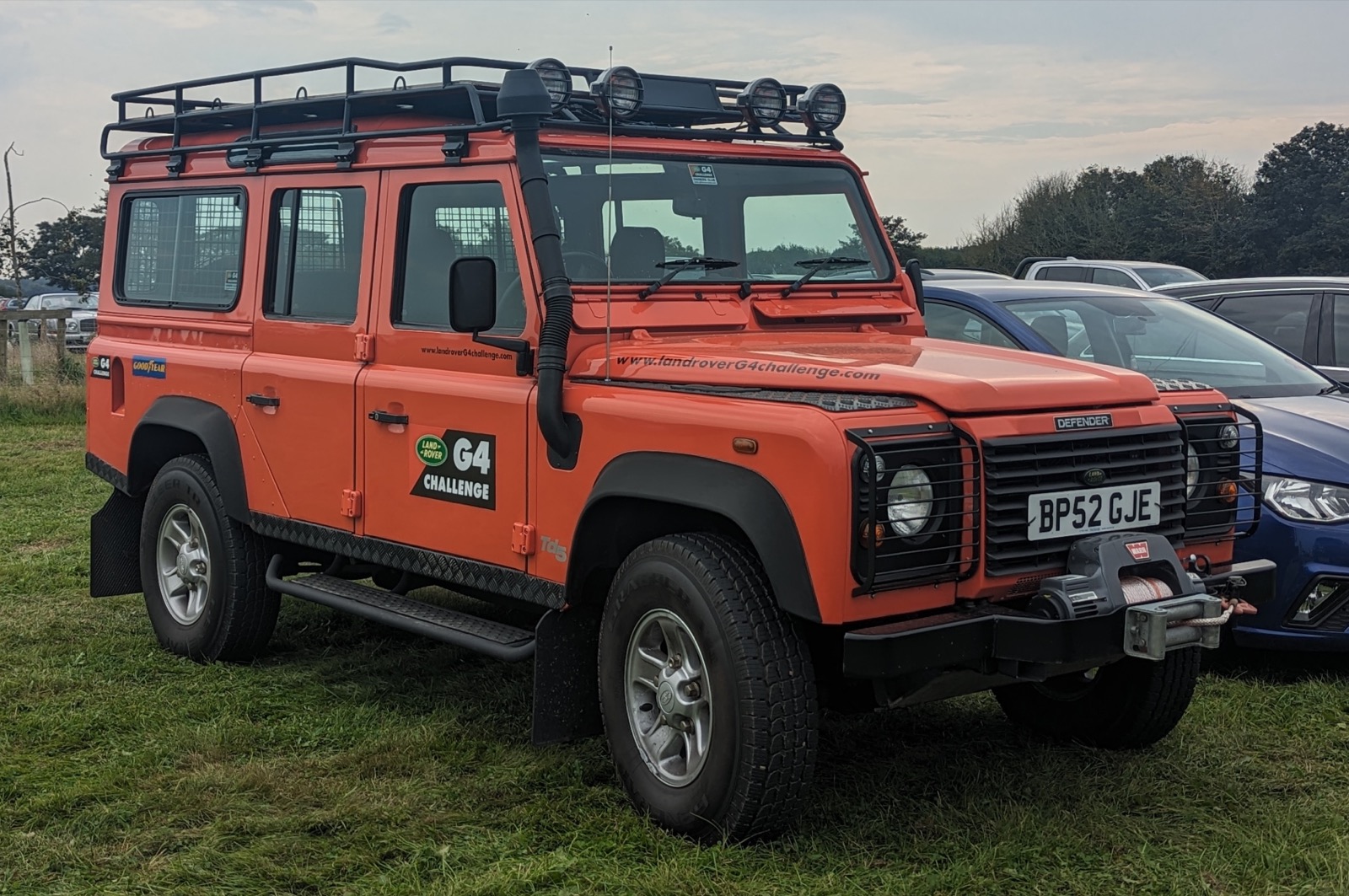
Stage 2 opened in Cape Town on 6 April with Table Mountain in sunshine, partner selection on Signal Hill at the noon gun, and a Maximiser around the city; the competitors then took over 29 Tangiers Orange Defender 110 Td5 station wagons, each with roof rack, Warn winch, raised air intake, Mantec guards and Goodyear MT/R tyres. The week ran east along the coast: camp at Cape Agulhas, Africa's southernmost tip, boil-in-the-bag suppers warmed on the Defenders' manifolds; the Waenhuiskrans cave and Caledon Hunters; the Bontebok camp near Swellendam; a nineteenth-century goldmine at Hansieskloof; the Gysmanshoek Pass in drizzle; a Gouritz bridge jump; and a remote Maximiser of mountain biking, running and 'coastaleering' near Knysna before a night in George. Canada's Jim Kuhn retired after a mountain-bike fall and was replaced by Kitt Stringer.
Four flights took the field from George to Karratha in Western Australia for Stage 3 in the new Range Rover: Hunters at Python Pool in the Chichester Range, the gorges of Karijini National Park, where the mid-week Maximiser ran through Hamersley Gorge, then 200 km north-east to Marble Bar, Australia's hottest town, and an abseil in the Comet gold mine, a rest day on Eighty Mile Beach, and an urban Maximiser on 20 April from Bradleys Head across Sydney Harbour by sea kayak to a run under the Harbour Bridge. Stage 4 began in Las Vegas on 21 April in Discovery 2s: Snow Canyon, five inches of snow on the Coral Pink Sand Dunes camp, Kodachrome Basin and Escalante, Capitol Reef and a camp at Stanton Creek by Lake Powell, White Canyon and Bears Ears at over 2,600 m, Looking Glass Rock and the Hunters around Moab. On Saturday 26 April, in a dust storm on the Colorado River, the Separator final — abseil, mountain bike, kayak upstream, a code-breaking matrix to start a Range Rover, an obstacle course and a jumar climb — settled it: Thoelen first, Chris Perry of the UAE second, Franck Salgues of France third; Tim Pickering of the UK took the Team Spirit Award. Thoelen declined the Range Rover prize in favour of two new Defenders, and on 1 September 2003 Land Rover put G4 Edition Defenders and Discoverys on sale in Tangiers Orange and Borrego Yellow. The Defender fleet numbered 31 prepared and 29 used; besides South Africa they were the event's logistics, communications, provisions and medical vehicles in every country.