4×4S.ORGTHE REGISTRY RESEARCHED · UPDATED 16 SEPTEMBER 2026

Joint Services West–East Sahara Expedition

ALSO KNOWN AS JSE 1975 · TRANS-SAHARA EXPEDITION 1975 · ATLANTIC TO THE RED SEA 1975

The first crossing of the Sahara from the Atlantic to the Red Sea, led by Squadron Leader Tom Sheppard MBE with a British services team in four pre-production Land Rover 101 Forward Controls, three of them towing Rubery Owen powered-axle trailers. They left the Mauritanian coast on 25 January 1975, crossed the Mauritania–Mali 'Empty Quarter' where no tracks existed, and reached Cairo on 3 May after 12,054 km and 81 days coast to coast, carrying a gravity survey the whole way.

99DAYS OUTBOUND12k kmDISTANCE7COUNTRIES15WAYPOINTS3VEHICLES4CREW
DATED POINTS ARE TAKEN FROM THE EXPEDITION'S OWN ROUTE MAP AS REPRODUCED BY SAHARA OVERLAND. THE MAP NAMES NO TOWNS BETWEEN GAO AND DONGOLA OTHER THAN FORT LAMY, SO THE NIGERIA AND SUDAN-BORDER POINTS ARE STAND-INS FOR ITS LINE THROUGH THE SAHEL. THE PORT SUDAN–SAFAGA LEG WAS BY SEA.
THE JOURNEY IN SEVEN MOMENTS
November 1974RAF UxbridgeThe first four production-line 101s delivered; three get powered trailers.25 January 1975Atlantic coastDeparture from Mauritania.6 February 1975OuadaneInto the Empty Quarter: 1,621 km with no tracks.23 February 1975TessalitOut of the Empty Quarter; Gao three days later.27 March 1975SudanChad behind them after 4,031 km from Gao.16 April 1975Port SudanCoast to coast in 81 days; the Red Sea crossed by ship.3 May 1975Cairo12,054 km; the gravity traverse complete.
DEPARTED25 January 1975
Atlantic coast, Mauritania
ARRIVED3 May 1975
Cairo
DISTANCE12,054 km (7,494 miles) as stated on the expedition's own route map; 81 days coast to coast, the balance being the Red Sea passage and the run to Cairo
COUNTRIES CROSSED, IN ORDER
MRMauritaniaMLMaliNENigerNGNigeriaTDChadSDSudanEGEgypt

The expedition

Tom Sheppard, an RAF officer who had first seen the desert with the RAF Regiment in the Libyan Sand Sea in 1960, reconnoitred the Mauritanian Empty Quarter in 1973 with a Bedford truck, a Land Rover and a Range Rover, pushing about 200 miles into terrain without tracks. Out of that came a Joint Services proposal for a west-to-east crossing of the whole Sahara with a scientific programme attached: a complete coast-to-coast gravity-measurement traverse, which had never been made, together with mineral, lizard and snail collecting for the British Museum (Natural History) and trials of new navigation methods. The Royal Geographical Society backed it.

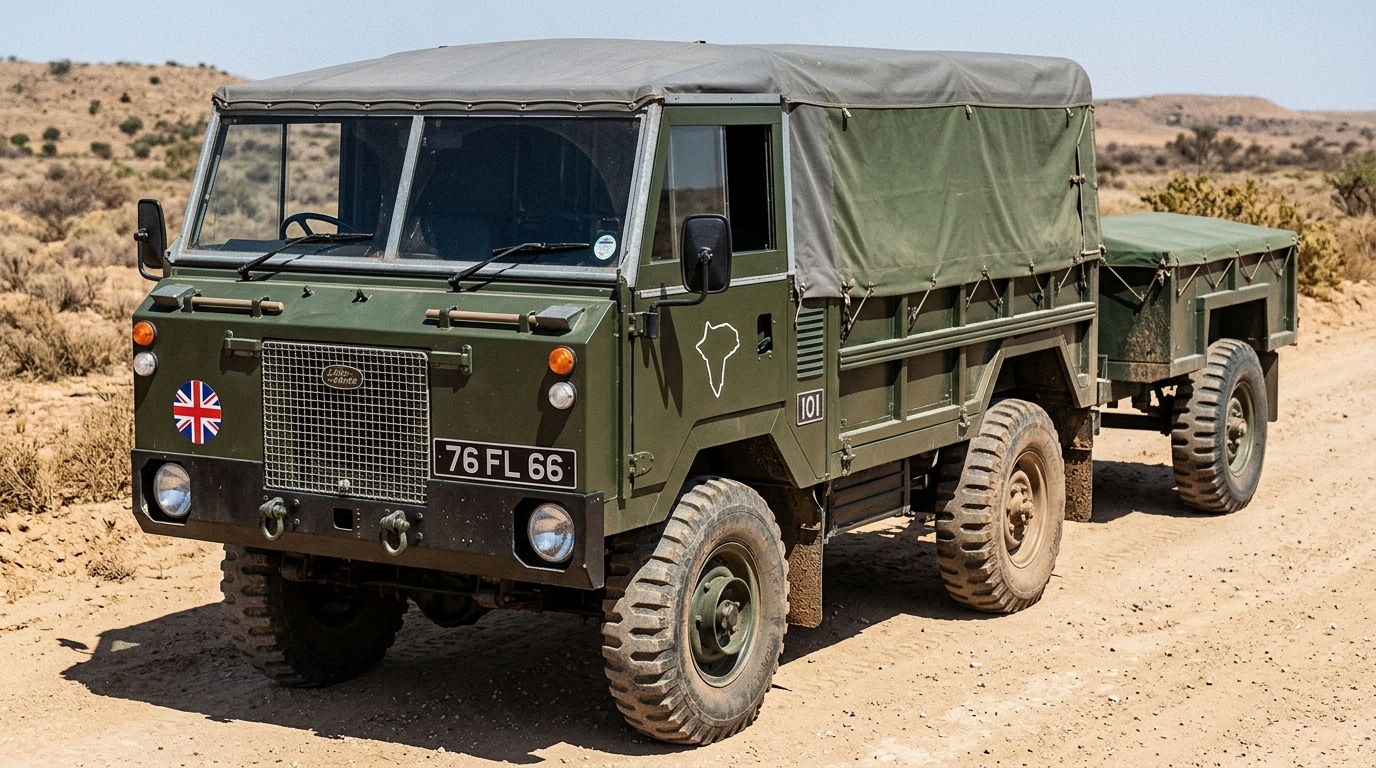
The vehicles were the first four Land Rover 101 Forward Controls built on the dedicated assembly line at Solihull, chassis 95600021A to 95600024A, the only 101s made in 1974, delivered to RAF Uxbridge in November of that year. Three were fitted with the power take-off drive for Rubery Owen powered-axle trailers, making them six-wheel-drive trains with the fuel payload carried between the axles. Navigation was by sun compass and astro-fixes, the sights reduced on a Hewlett-Packard HP-65 programmable calculator; there was no satellite positioning. Duckhams and Rubery Owen were among the sponsors, and the Royal Engineers issued a commemorative postal cover.

The plan had been to cross Algeria, but Algeria refused entry, which forced the route south through the Sahel. The team — seven or eight men, the sources differ — left the Atlantic coast of Mauritania on 25 January 1975 and went inland by Atar to the Ouadane oasis, reached on 6 February, then east across the Empty Quarter of Mauritania and Mali — 1,621 km without tracks past the Tadhak rocks — to Tessalit on 23 February and Gao on the Niger on 26 February, 3,554 km from the coast. From Gao they drove through Niger and northern Nigeria, where they were on 5 March, to Fort Lamy in Chad and into Sudan on 27 March, a stage of 4,031 km. A 1,024 km leg across western Sudan brought them to the Nile at Dongola on 4 April; they went on by Atbara to Port Sudan on 16 April, crossed the Red Sea by ship to Safaga in Egypt, landing on 26 April, and finished by Luxor to Cairo on 3 May 1975. The expedition map gives the total as 12,054 km (7,494 miles).

Sheppard's report, 'The Joint Services West-East Sahara Expedition 1975', appeared in the Geographical Journal in July 1976, and the RGS gave him the Ness Award; a 150-page full report exists in a handful of copies, one at the National Archives at Kew, and Anglia Television filmed the crossing. Sheppard went on to many solo Sahara journeys and wrote the Vehicle-dependent Expedition Guide, which is where most of the expedition's lessons ended up. Of the four 101s, the last, chassis 95600024A — 'Tail End Charlie', which brought up the rear of the convoy — was restored by its long-term owner David Olliver in expedition livery, still with its powered trailer, and given to the Dunsfold Collection in 2016; a second expedition car, 60 FL 38 — the one of the four without a powered trailer, later the subject of an Oxford Diecast model — is modelled in this registry. Sheppard was reunited with one of the cars, its sun compass still mounted, at a Land Rover press event in 2012, and Barry Doughty, Phil Maye and Geoff Renner marked the fiftieth anniversary at Dunsfold in April 2025.

The three vehicles

Imagery

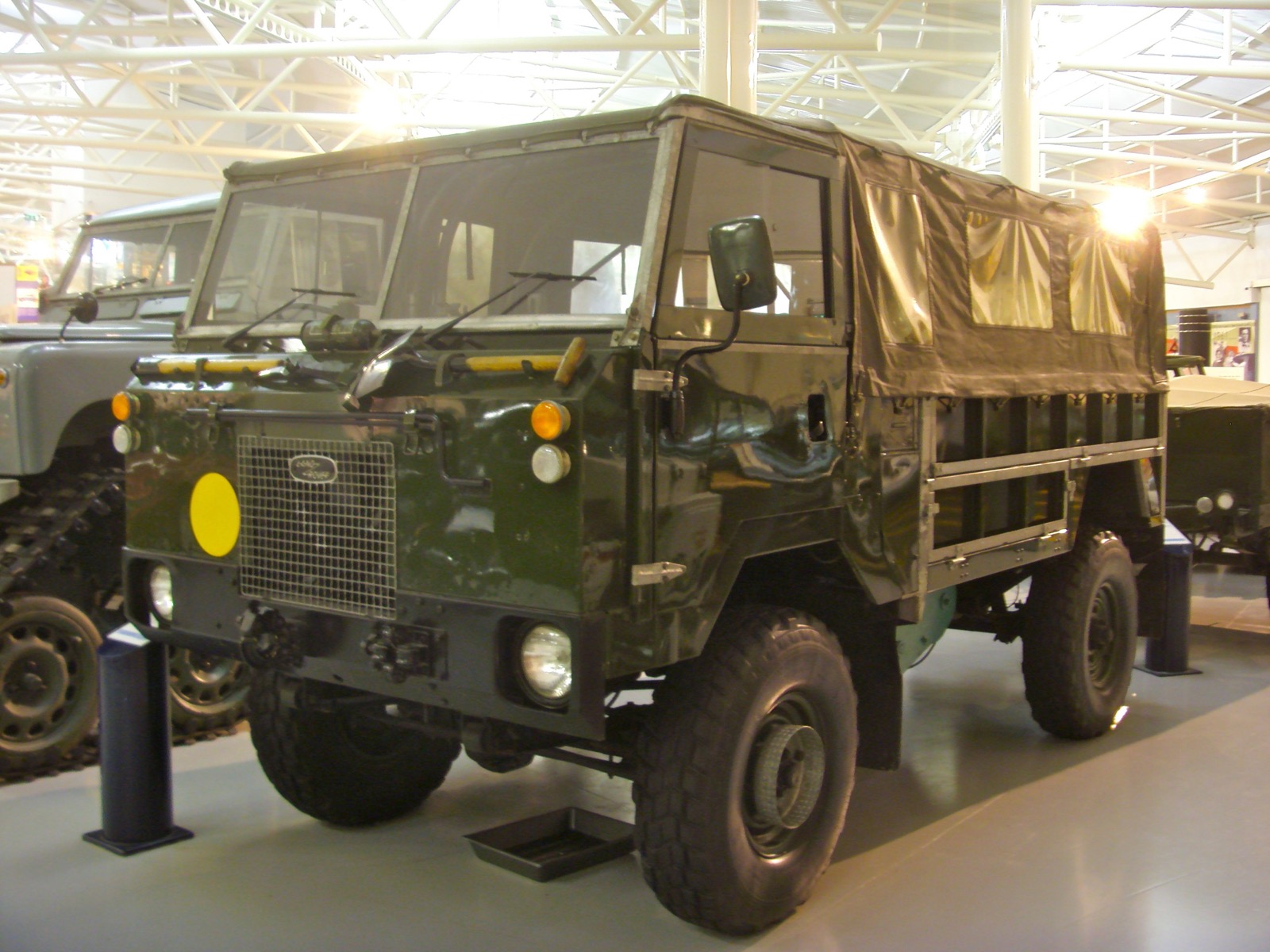
A 1975 Land Rover 101 Forward Control at the Heritage Motor Centre, Gaydon — the model, in its standard GS form, that the expedition took across the Sahara.
MARK BROWN, VIA WIKIMEDIA COMMONS · CC BY-SA 2.0 ↗
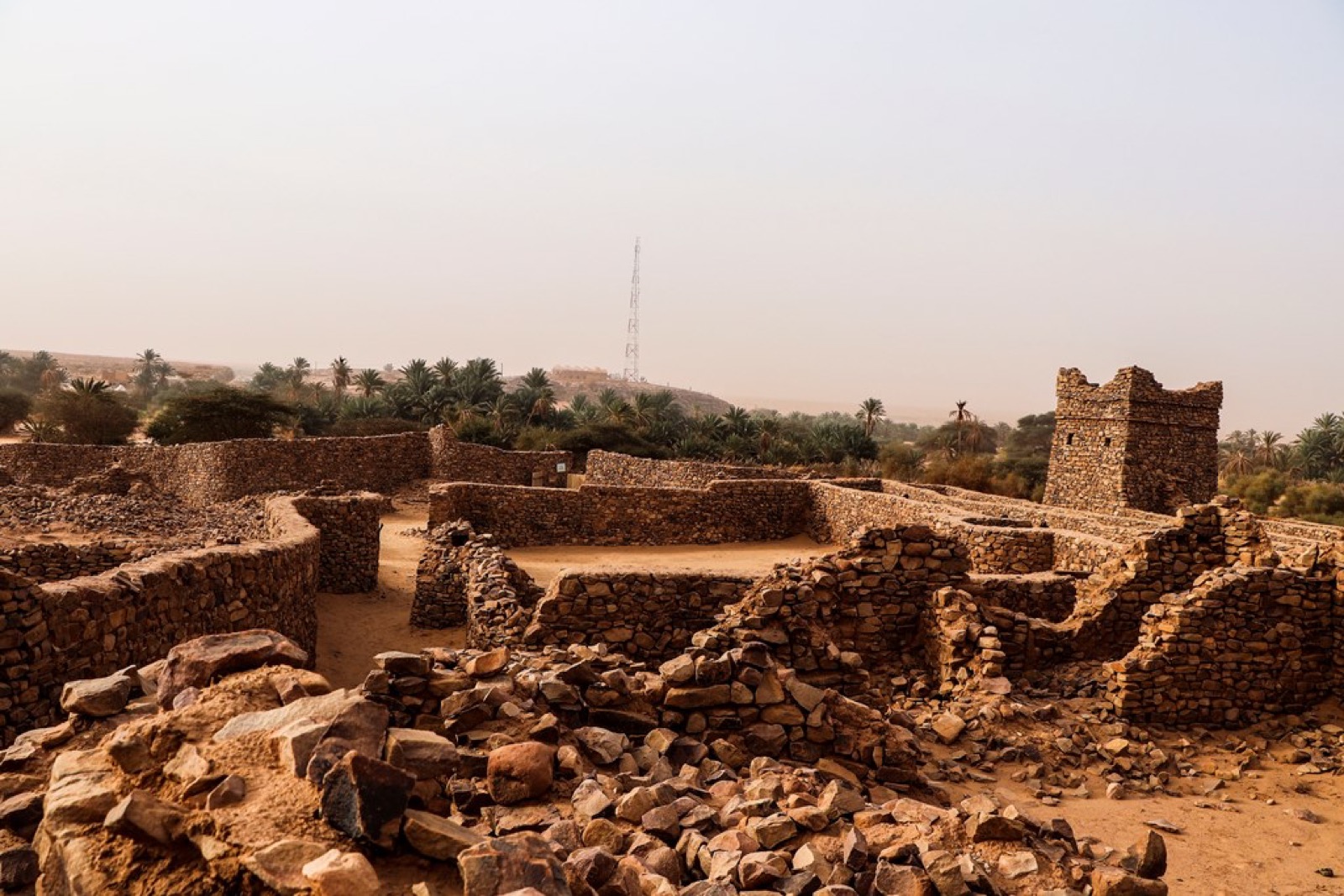
The old town of Ouadane in the Adrar of Mauritania, the oasis the expedition left on 6 February 1975 to enter the Empty Quarter.
CLEMENS SCHMILLEN, VIA WIKIMEDIA COMMONS · CC BY-SA 4.0 ↗

The team

Squadron Leader Tom Sheppard MBELeader, navigator and cinematographerGeoff RennerGravity survey (British Antarctic Survey)Phil MayeAstro-navigation (RAF)Barry DoughtyTeam member

Organised by Joint Services Expedition (RAF-led) and Royal Geographical Society. Supported by Land Rover (four pre-production 101 Forward Controls) and Rubery Owen (powered-axle trailers) and Duckhams.

Online

The expedition's own presence on the web, checked when the record was last updated.

Books & films

The Joint Services West-East Sahara Expedition, 1975
Tom Sheppard, The Geographical Journal 142(2) · 1976

Joint Services West-East Sahara Expedition 1975: Report
Squadron Leader T. H. Sheppard · 1976 · About 150 pages; a copy is held at the National Archives, Kew

Illustrated summary of the expedition, Overland Journal (Winter 2016)
Tom Sheppard · 2016

Anglia Television film of the expedition
Anglia Television · 1975

Land Rover FC GS 1974 Trans Sahara Expedition (1:76 model 76LRFCG001 of 60 FL 38)
Oxford Diecast

Sources

11974 101-inch Forward Control Trans-Sahara Expedition vehicle ↗ (accessed 2026-09-16)THE DUNSFOLD COLLECTION2Trans Sahara West to East (with the expedition's route map) ↗ (accessed 2026-09-16)SAHARA OVERLAND (CHRIS SCOTT)3Joint Services expedition sahara (tag) ↗ (accessed 2026-09-16)SAHARA OVERLAND4Two Sahara veterans reunite ↗ (accessed 2026-09-16)EXPLORING OVERLAND (JONATHAN HANSON)5Tom Sheppard on the Nobility of Wilderness, Crossing the Sahara, and Overlanding the Deserts ↗ (accessed 2026-09-16)OVERLAND JOURNAL6Joint Services, West East Sahara Expedition — souvenir cover, 25 June 1975 ↗ (accessed 2026-09-16)BRITISH FIRST DAY COVERS7Land Rover 101 Forward Control ↗ (accessed 2026-09-16)WIKIPEDIA8Land Rover FC GS 1974 Trans Sahara Expedition ↗ (accessed 2026-09-16)OXFORD DIECAST
RELATEDExpedition record updated 16 September 2026 · status: researched