4×4S.ORGTHE REGISTRY RESEARCHED · UPDATED 16 SEPTEMBER 2026

Fault Line Living

ALSO KNOWN AS RGS-IBG LAND ROVER 'GO BEYOND' BURSARY 2010 · ICELAND TO IRAN 2010

The 2010 Royal Geographical Society (with IBG) and Land Rover 'Go Beyond' bursary expedition: Serena Davies, Tamsin Davies and Adam Whitaker left Harwich on 1 August 2010 in a Defender 110 they called Lottie, carrying a British Geological Survey seismometer, for a twelve-week, 15,000-mile journey along the world's most active fault lines — Iceland, Italy's L'Aquila, Greece and Turkey's North Anatolian Fault — recording how people live with earthquakes, working with school students and seismologists. Iran, the planned end, was dropped for political reasons at Erzurum; the team turned home through the Kaçkar mountains and were back in England on 17 December 2010.

138DAYS OUTBOUND24k kmDISTANCE6COUNTRIES13WAYPOINTS1VEHICLE3CREW
DATED POINTS COME FROM THE EXPEDITION'S BLOG; THE DRIVE FROM ICELAND BACK THROUGH EUROPE TO ITALY AND THE RETURN FROM TURKEY TO ENGLAND ARE NOT DESCRIBED AND ARE DRAWN ONLY AS THE GENERAL COURSE. IRAN, IN THE PUBLISHED PLAN, WAS NEVER REACHED.
THE JOURNEY IN FIVE MOMENTS
1 August 2010HarwichLottie leaves for Denmark and Iceland with the BGS seismometer aboard.7 August 2010First seismometer readingIceland, on the Mid-Atlantic Ridge.8 September 2010L'AquilaThe red zone of the 2009 earthquake.12 October 2010ErzurumIran abandoned; the easternmost point of the journey.17 December 2010Home'Back home and dry.'
DEPARTED1 August 2010
Harwich
ARRIVED17 December 2010
England
DISTANCEPlanned as 15,000 miles over twelve weeks per the launch press release and the RGS; the drive actually lasted about twenty weeks and stopped short of Iran, so the true mileage is not known.
COUNTRIES CROSSED, IN ORDER
GBUnited KingdomDKDenmarkISIcelandITItalyGRGreeceTRTurkey

The expedition

The Land Rover bursary with the Royal Geographical Society (with IBG) — in 2010 called the 'Go Beyond' Award — gave a team a Defender 110 and a grant, that year £10,000, for a journey that would widen the understanding and enjoyment of geography. The 2010 winners were three young Britons, Serena Davies, Tamsin Davies and Adam Whitaker, with a plan they called Fault Line Living: to drive from Iceland to Iran along the plate boundaries where the earth moves, and to document the lives of the hundreds of people who live on them — how communities perceive risk, build, rebuild and carry on — by talking to school students, seismologists and ordinary citizens, and to make the record available to schools and organisations on their return. The car, a Defender 110 the team named Lottie, was picked up on 21 July after off-road and medical training in May and July, packed on 30 July, and carried a seismometer lent by the British Geological Survey that they read at each stop; the journey's carbon was offset through ClimateCare.

They left Harwich on 1 August 2010 — 'a distinctly unglamorous departure' — reached Denmark the next day and Iceland by the 6th, where the Eyjafjallajökull eruption of that spring was fresh, the rift valley shows the plates moving apart, and the island was expected to register up to 78 earthquakes a day. Through August they took their first seismometer readings, visited the geothermal fields and interviewed Icelanders about living on the Mid-Atlantic Ridge, then drove south through Europe to Italy, stepping into the red zone of L'Aquila on 8 September, seventeen months after the April 2009 earthquake. Greece followed from 10 September: Delphi, the Peloponnese and the great trenches of the Gulf of Corinth, and conversations with Greek seismologists and villagers about a land that has always shaken.

In October the Defender went off-roading along the E80 across Turkey to the North Anatolian Fault, whose towns — Mudurnu, Niksar, Erzurum with its earthquakes of 1859 and 1983 — became the heart of the study. Iran was the intended finish, but British–Iranian relations that autumn were at a low, and a car stuffed with suspicious-looking equipment, including a seismometer oddly branded 'Houston Space Agency', could not pass as a tourist's; after 'many of our own mini summits' the team decided on 12 October not to cross, and Erzurum was as far east as Lottie went. Instead they drove north into the Kaçkar mountains towards the Georgian and Armenian borders, among wooden villages hung on the mountainsides with their cable winches, then worked back west along the fault through Niksar and Mudurnu at the end of October. They were home and dry on 17 December 2010, with the editing of interviews, photographs and readings ahead of them. The Society's summary calls it an arduous twelve-week, 15,000-mile journey exploring the realities of life along fault lines from Iceland to Italy, Greece, Turkey and Iran; the team's own blog records that the Iranian leg was never driven.

The vehicle

Imagery

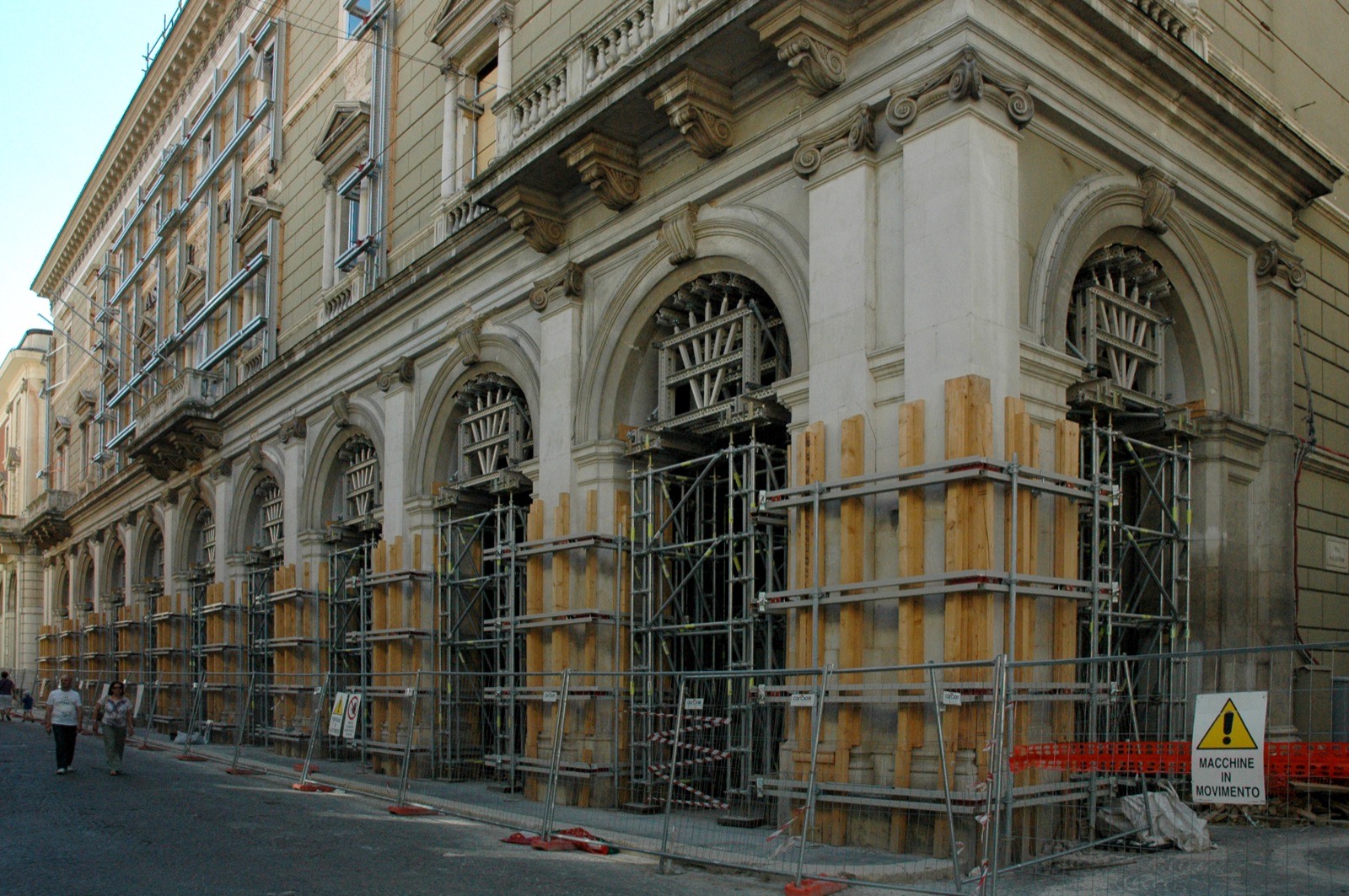
Corso Vittorio Emanuele II in L'Aquila shored up in July 2010, weeks before the team stepped into the earthquake's red zone.
DIMITALEN, WIKIMEDIA COMMONS · CC0 ↗

The team

Serena DaviesTeam memberTamsin DaviesTeam memberAdam WhitakerTeam member

Organised by Fault Line Living and Royal Geographical Society (with IBG). Supported by Land Rover 'Go Beyond' Award with the Royal Geographical Society (with IBG), 2010 (£10,000 and a Defender 110) and British Geological Survey (seismometer) and ClimateCare (carbon offset).

Online

The expedition's own presence on the web, checked when the record was last updated.

Books & films

Fault Line Living expedition blog
Serena Davies, Tamsin Davies and Adam Whitaker · 2010 · faultlineliving.com, archived

Sources

1Land Rover Bursary ↗ (accessed 2026-09-16)ROYAL GEOGRAPHICAL SOCIETY (WITH IBG)2Fault Line Living expedition departs (Land Rover press release) ↗ (accessed 2026-09-16)THE AUTO CHANNEL3Fault Line Living — expedition blog ↗ (accessed 2026-09-16)FAULT LINE LIVING (VIA WAYBACK MACHINE)4East is East (12 October 2010) ↗ (accessed 2026-09-16)FAULT LINE LIVING (VIA WAYBACK MACHINE)
RELATEDExpedition record updated 16 September 2026 · status: researched