The expedition
By 2001 Kingsley Holgate, the bearded Zulu-speaking adventurer from KwaZulu-Natal, had already taken his family up Africa's waterways from the Cape to Cairo and across the continent by Land Rover and boat, and the family's 'Cape to Cairo' book of 2002 announced the next project: a round-the-world Land Rover journey along the Tropic of Capricorn, the invisible line that touches ten countries on three continents. The Holgate tradition of filling a symbolic Zulu calabash at the start was kept — this time with Indian Ocean seawater from the Mozambique beach near Inhambane where the line comes ashore — to be carried round the world and emptied back into the same sea. In keeping with another Holgate habit, the two expedition Land Rovers were christened Chuma and Susi after David Livingstone's companions, who carried his body to the coast; the book describes Chuma as the 'bread van' type of Defender, a hardtop with only two front seats and the expedition kit behind, and records that in South America the cars were registered in the name of Land Rover South Africa, whose Lesley Sutton had picked up the story from the Land Rover website. Well over a hundred people were at the christening.
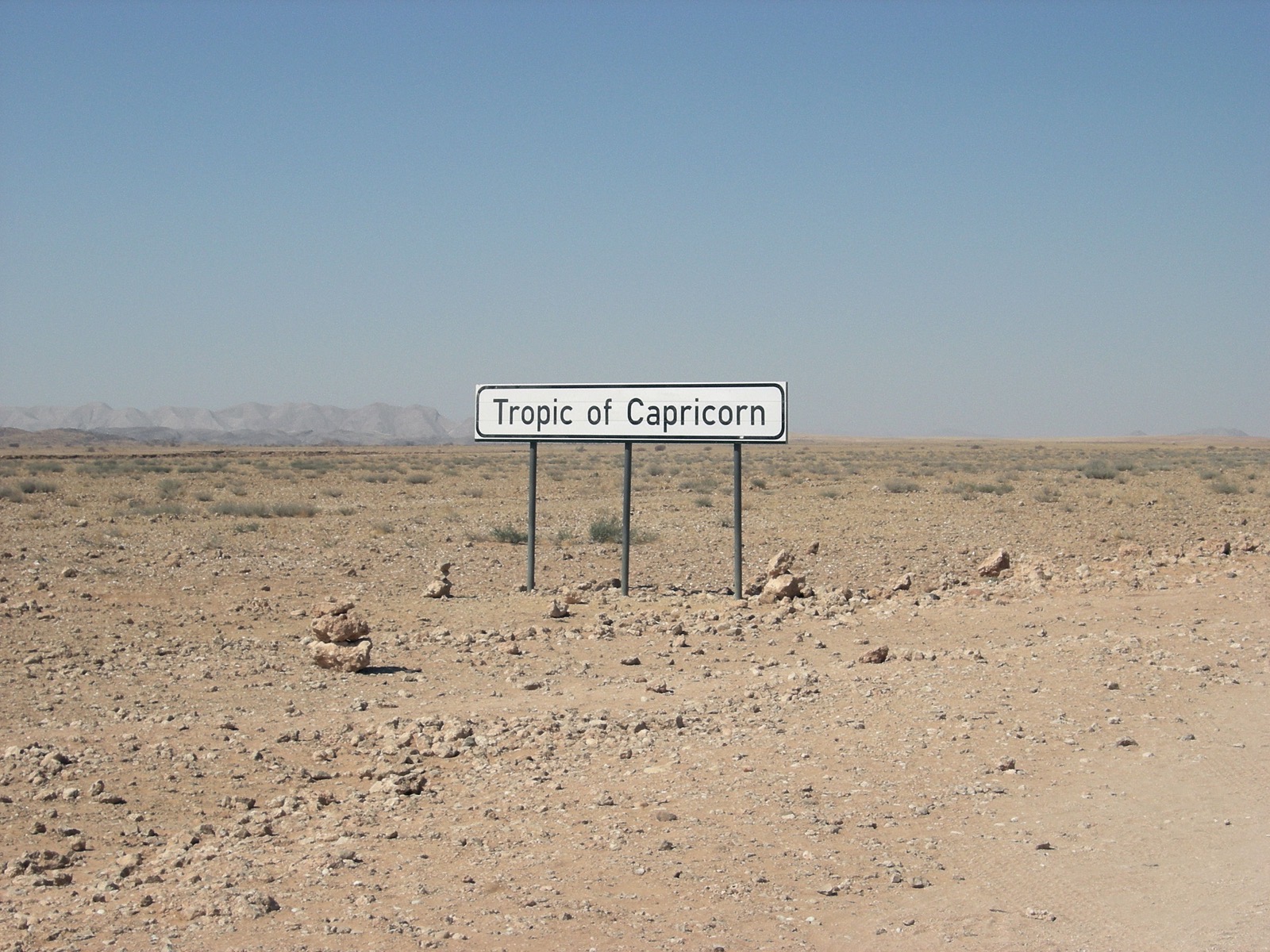
The African leg went west from the Mozambique coast, where the team dodged landmines left from the civil war, across the Limpopo and through the Kruger National Park, which they walked; the Polokwane Land Rover dealership washed, greased and serviced Chuma and Susi on the way. Then came the Kalahari, the cattle fences of Botswana and Namibia, a Capricorn marker at Leonardville, and the Namib — the Namibian Ministry of Environment had to approve the application to follow the Tropic across the desert to the Atlantic. The Landies were shipped to South America, where the line runs from just south of Rio de Janeiro through the sprawl of São Paulo, which they crossed by public transport before driving west out of the city, into the jungles and rivers of Brazil and Paraguay, over the high Andes through Argentina into Chile and down to the Atacama, the driest place on earth, to reach the Pacific just north of Antofagasta where the Capricorn line meets the ocean. Australia was the hardest driving: the authorities initially said it could not be done — 'It's too dangerous, mate' — but the team crossed the parallel sand ridges of the Simpson Desert and the red dunes of the Gibson along the Tropic to the Indian Ocean at the Ningaloo coast. The last piece was a tough trek across the breadth of southern Madagascar on foot, by bullock cart and dugout canoe through the rainforests, before the party returned to the very place near Inhambane where they had started eighteen months before and emptied the calabash. A 'Capricorn Scroll of Peace and Goodwill', signed by the people they met along the line, went round with them.
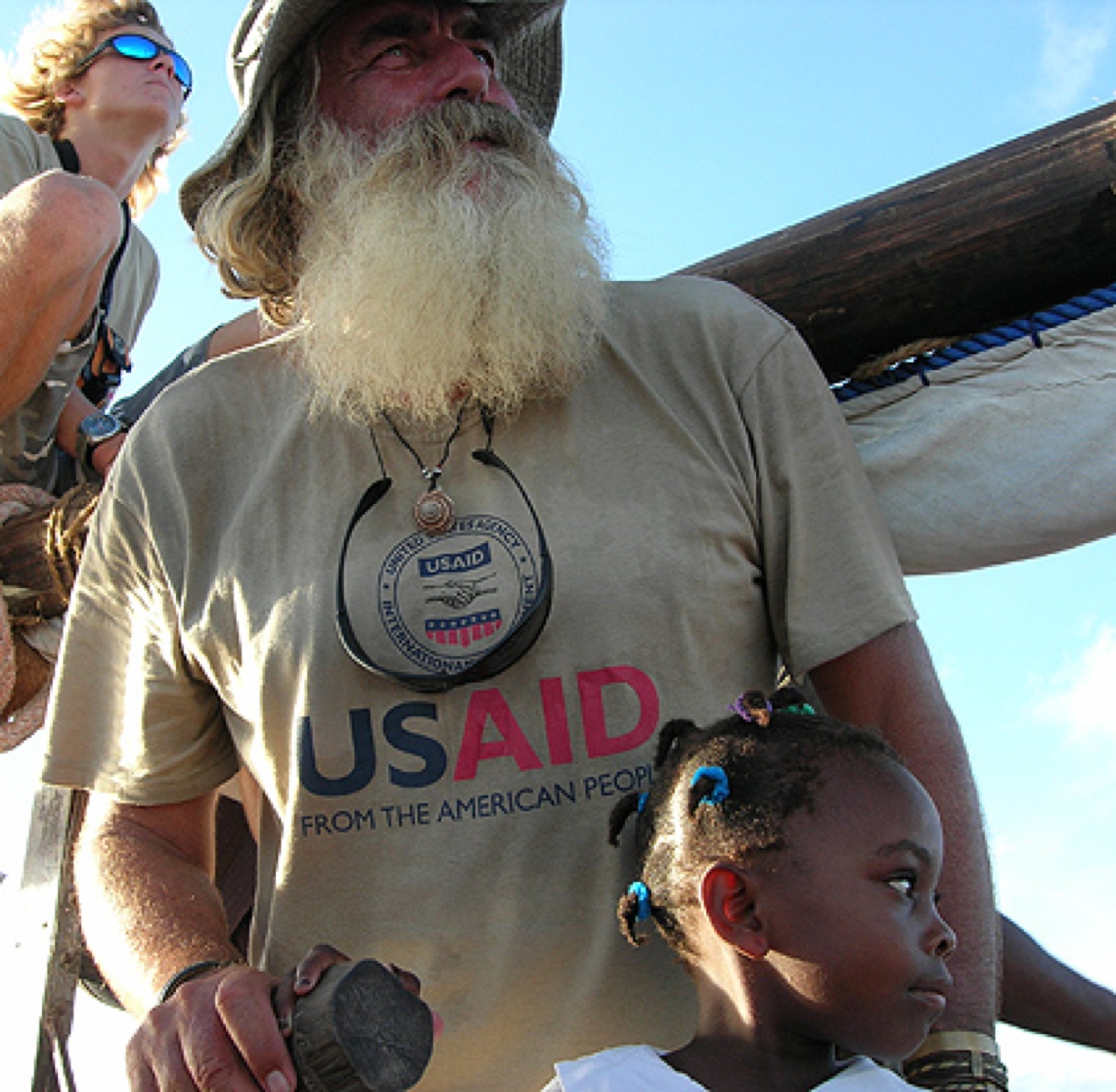
One evening on the expedition, park rangers were about to remove an old man from a camp because he was a danger to himself; Gill noticed he could not see well enough to light his stove, gave him her spare spectacles, and the stove lit at once. That moment became 'Mashozi's Rite to Sight', the Foundation's reading-glasses programme, and the humanitarian pattern — malaria nets, spectacles, clean water — that all the later Holgate Land Rover expeditions followed. Kingsley Holgate's illustrated journal of the journey, 'Capricorn: Following the Invisible Line — My Family's Epic Journey Around the World', was published by Struik in 2003. In 2026, twenty-five years on, Ross Holgate led the Foundation's 43rd expedition, 'Africa Traverse', back along the African chapter of the line from the Namibian coast to Mozambique in Defender 130s and a classic Defender Tdi named 'Mashozi', marking twenty-five years of the family's partnership with Land Rover Defender.


.jpg)