The Perentie is the One Ten as the Australian Army wanted it rather than as Solihull built it. Named after the continent's largest goanna, it came out of an Army staff requirement of February 1981 for new 1-tonne and 2-tonne light trucks to replace the Series IIA and III fleet, and out of Jaguar Rover Australia's realisation that it could not win that contract with a British Land Rover. JRA's engineers at Moorebank, New South Wales, put Isuzu's 3.9-litre 4BD1 diesel where the Rover engines had been, redesigned and hot-dip galvanised the chassis, and drew a six-wheel-drive 2-tonner with load-sharing leaf springs at the back and a widened cab that seated three.
Between 1986 and 1992 Moorebank built some 3,000 4×4s and about 700 6×6s in more than a dozen variants — cargo trucks, radio trucks, panel vans, station wagons, the open Regional Force Surveillance Vehicle, four-litter ambulances, workshop trucks, Rapier and RBS-70 tractors and the SAS Regiment's Long Range Patrol Vehicle — and British Aerospace added 311 more at Wingfield in 1996–98 under the Perentie follow-on and Project Bushranger. They served from Cambodia to Afghanistan before Mercedes-Benz G-Wagons replaced the bulk of the fleet under LAND 121 between 2012 and 2016, and the disposals that followed put thousands of them into private hands.
Design and trials (1981–1985)
3 VEHICLES IN THIS CHAPTERBy 1981 the Australian Army was moving to an all-diesel fleet and the 2.3-litre Land Rover diesel, with 45.6 kW, was judged 'modest performance but with good economy' beside the 60 kW Nissan and 77 kW Toyota sixes. Land Rover Australia's engineering manager Ray Habgood surveyed the available engines and chose the 3.9-litre Isuzu 4BD1, a direct-injection truck engine of about the size and output of the Rover 3.5 V8, which Isuzu agreed to build in special form with a noise-reduction package, and which could be turbocharged. The Army Staff Requirement for lightweight and light trucks came out in February 1981, and the detailed Project Perentie requirement at an industry briefing in June 1982. For the 2-tonne class JRA had already looked at a Hotspur Sandringham 6×6 and at its own six-wheel 109 conversion, decided leaf springs beat the coil-sprung Sandringham, and drew a new tubular-section chassis it could hot-dip galvanise, with a well between the rails, two Salisbury rear axles on a pivoting cross-over spring hanger, a 101 Forward Control's LT95 gearbox driving three propshafts, and twin fuel tanks under the seats so the spare could hang under the tray.
Seven vehicles were tendered in each class. The Army shortlisted the Land Rover 110 4×4, the Jeep AM10 and the Mercedes-Benz 300GD for the 1-tonne trials and the Land Rover 110 6×6, with the turbo engine, against the Unimog U1300 for the 2-tonne; the Toyota Land Cruiser was assessed two years later. Three of each Land Rover went to the Army in September 1983, one for accelerated durability at the Trials and Proving Wing at Monegeetta and two for hot-dry trials at Woomera, hot-wet at Tully and cold at Khancoban, over about a year. The registry's two base models, the Perentie 4×4 and Perentie 6×6, are the production forms of those trials cars.
Registry records · chapter 1
Production at Moorebank (1986–1992)
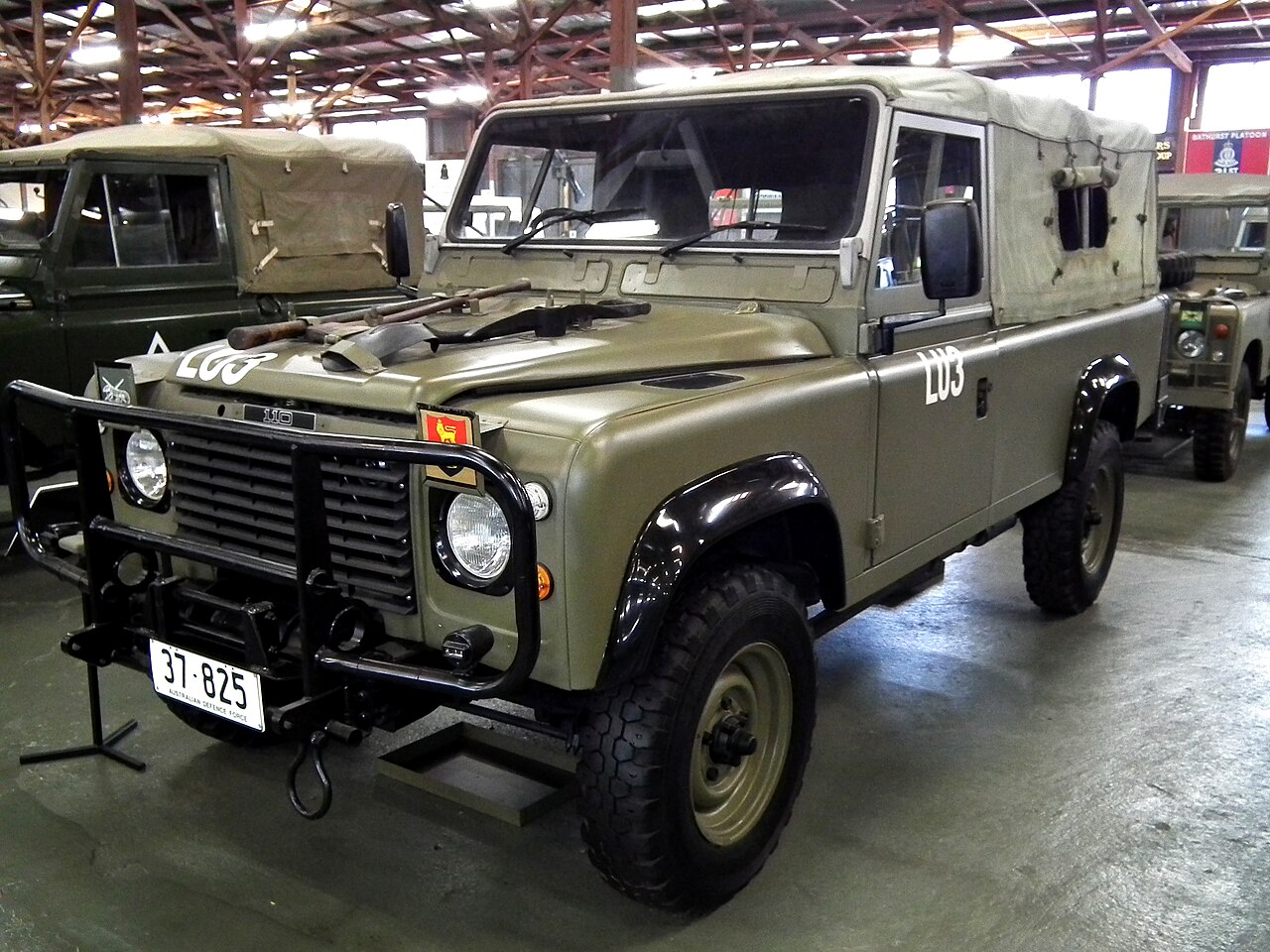
8 VEHICLES IN THIS CHAPTERTenders for production volumes went in after the trials, with a limited run of Initial Production Vehicles from May 1986 and full production from May 1987; the first 4×4 deliveries are usually dated to August 1987, and a 1988 Land Rover release valued the contract at $150 million. The original order of 2,500 4×4 and 400 6×6 was to run three to four years and grew to around 3,700 vehicles by September 1992. JRA had moved Land Rover assembly from the closed Enfield plant to its Engineering Services building at Moorebank in 1983 and was building about two a day; for Perentie it enlarged the shop by half and built about five a day on trolleys, in batches to the Army's schedule, roughly three 4×4s for every 6×6. The 4×4 kept the 110's coil springs, beefed up, with the rear chassis reworked for an underslung spare, side lockers, a four-jerrycan rear bar, lifting hooks for a Chinook sling and polyurethane paint; the 6×6 got a 200 mm wider galvanised spaceframe cab of Land Rover doors and pillars, a fibreglass bonnet and a flat windscreen, so three soldiers could sit across the front. Instead of the Army's planned demountable shelters on a flat tray, Habgood designed fibreglass modules from Jakab Industries of Tamworth that bolted straight to the chassis and let the 6×6 drive into a Hercules with its body on.
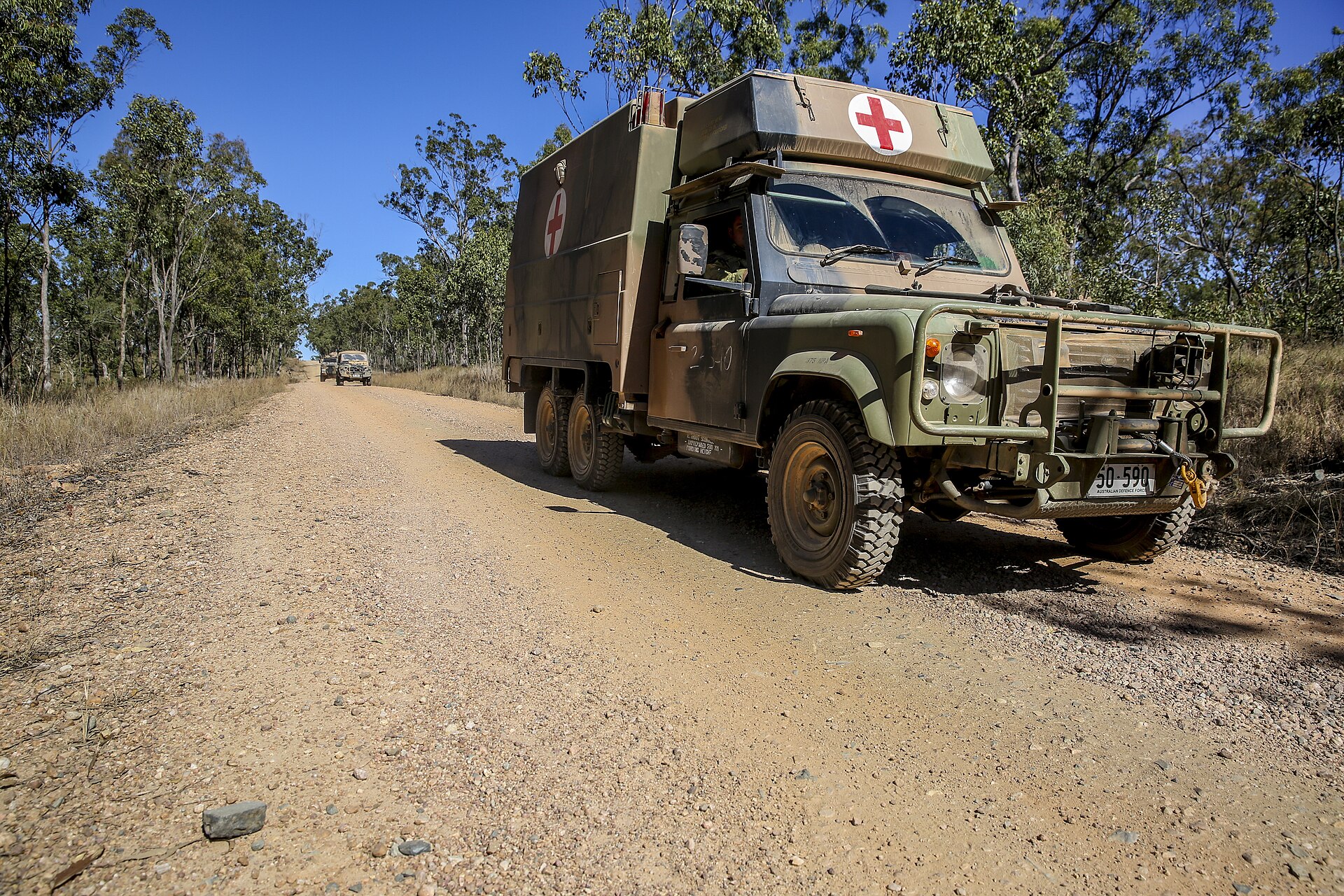
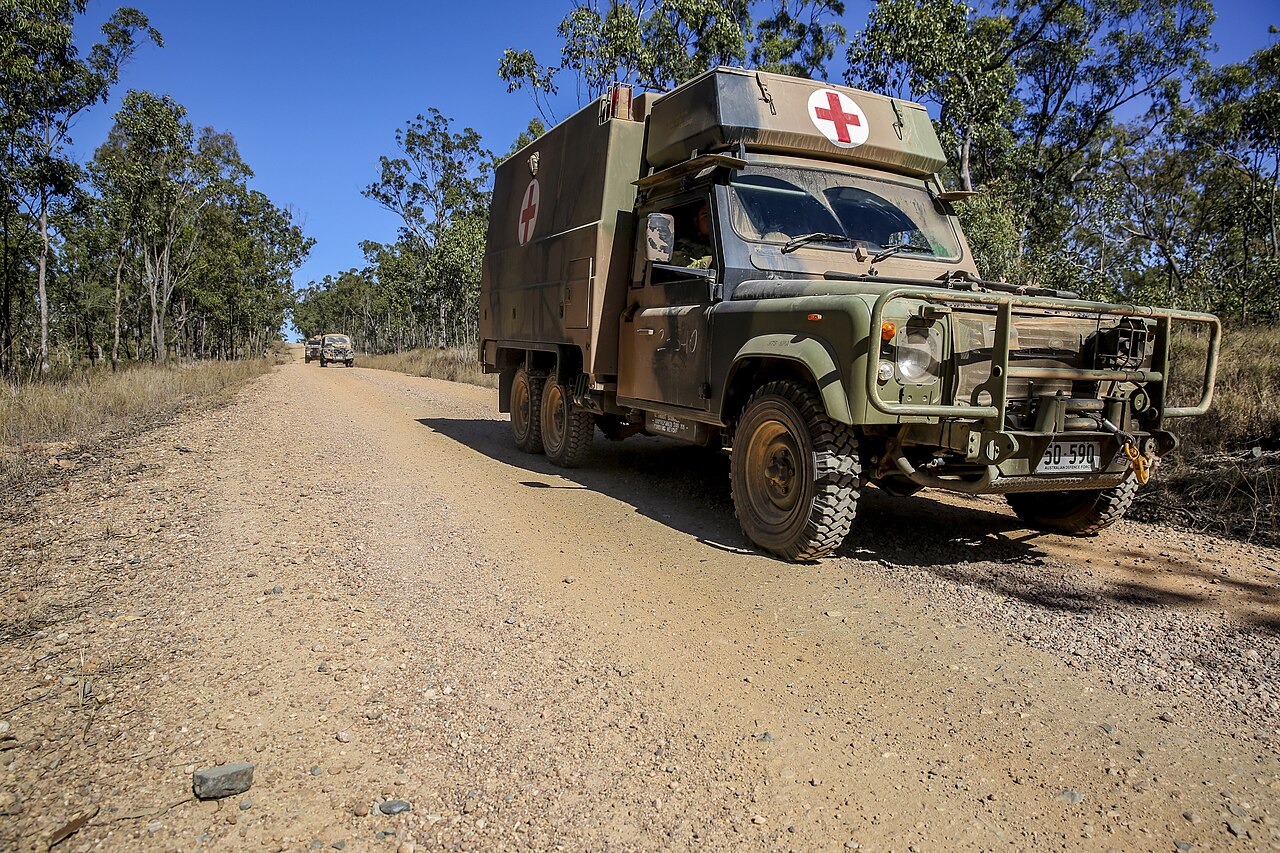
The registry has a record for most of the line: the canvas-tilt 4×4 cargo truck (1,222 built, 316 more with winches), the FFR radio truck with its 28-volt supply, the nine-seat Personnel Carryall station wagon (42, with 11 senior-commander cars), the hard-top Survey panel van, and on six wheels the cargo truck, the box-bodied General Maintenance, Electronic Repair and COMSEC workshops, the Rapier and RBS-70 air-defence tractors and the dual cab. The four-litter ambulance, of which the first was delivered in January 1989 and 92 or 94 were built, weighed 5.6 tonnes loaded, was air-conditioned and had a sliding loading tray for the upper stretchers; the Royal Australian Army Medical Corps' journal called it 'perhaps the best field ambulance in the world'. JRA itself did not survive the contract: hurt by the luxury car tax and a bus-sales collapse, it was taken over by Rover in 1991, which re-formed Rover Australia Pty Ltd to finish the build and then closed Moorebank on 30 September 1992, keeping only George Fowler to run ten years of support.
.jpg)

Patrol variants: RFSV, LRPV and SRV (1987–1998)
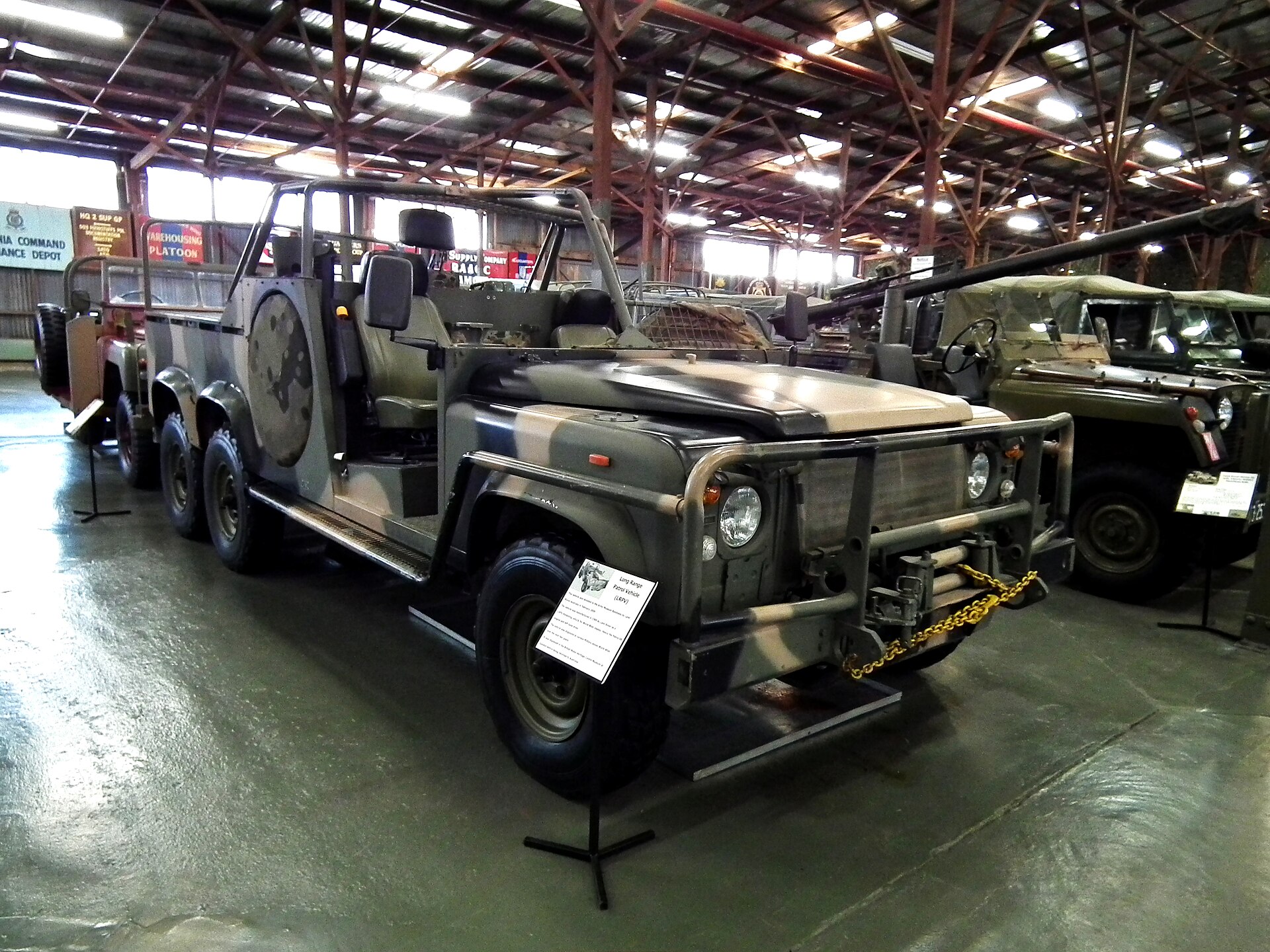
6 VEHICLES IN THIS CHAPTERThe open-bodied Regional Force Surveillance Vehicle — 231 by Wikipedia's count, 243 by Watson's — went to Norforce, the Pilbara Regiment and the Far North Queensland Regiment for coastal patrol across the north, with two batteries on a slide-out tray and a second spare in the cargo bay. The Special Air Service Regiment, which had run Series IIA-based patrol cars, looked at the Unimog and then asked JRA to sketch a 6×6 to its own requirement: two crew in front and one facing rearwards, spare wheels in the sides, a big fuel tank under the floor, machine-gun mounts front and rear and a 250 cc motorcycle on the tail. A cargo IPV was cut down as the mock-up and two IPV-based cars went for validation; 26 operational Long Range Patrol Vehicles followed, entering service in 1991, with a left-hand-drive V8 petrol car that is now at the Army Museum Bandiana. The registry's LRPV and the two 4×4 Surveillance and Reconnaissance Vehicle records, SRV and SRV(SF), cover this family; the Bush Tucker Man's car, Major Les Hiddins' Army 110 ARN 48-001 from the ABC series of the late 1980s, is the best-known single Perentie and is displayed at the Darwin Military Museum.
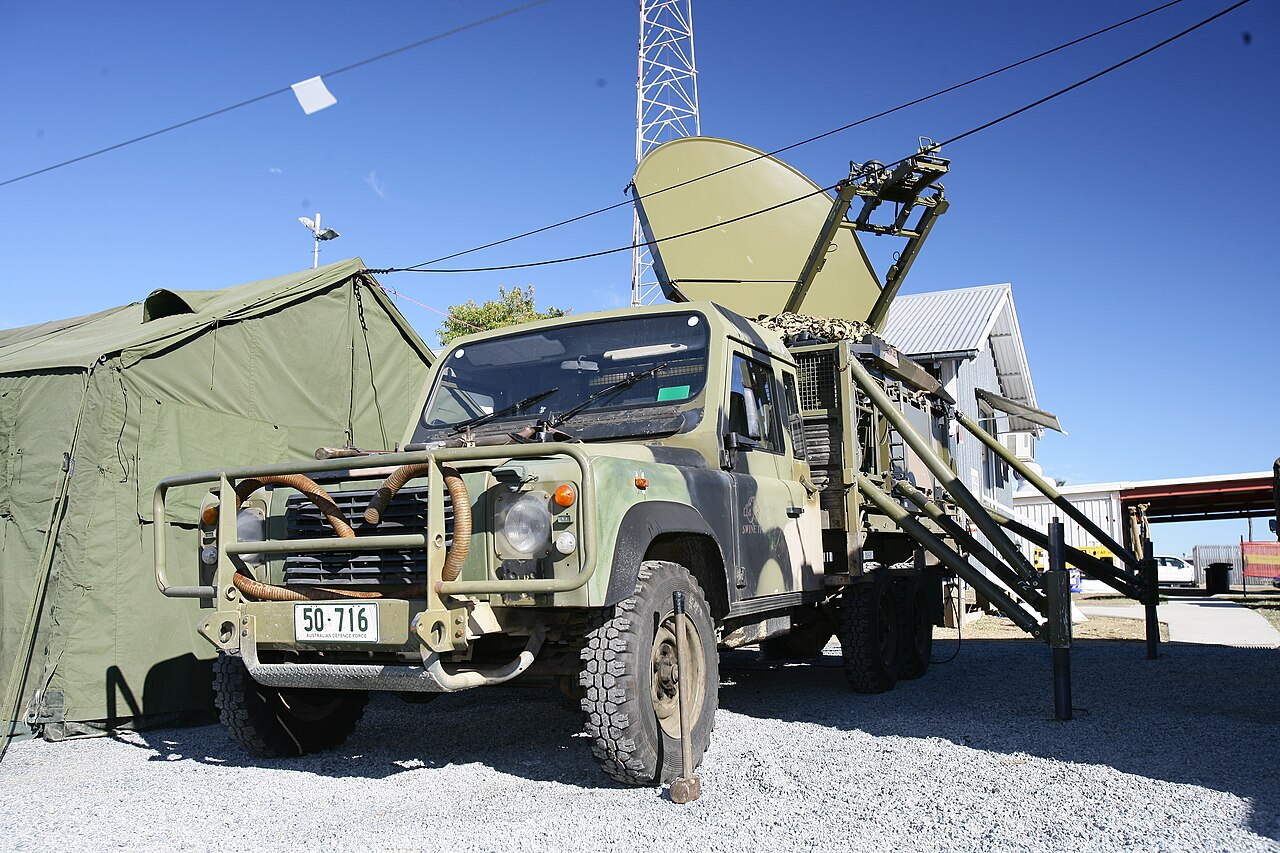
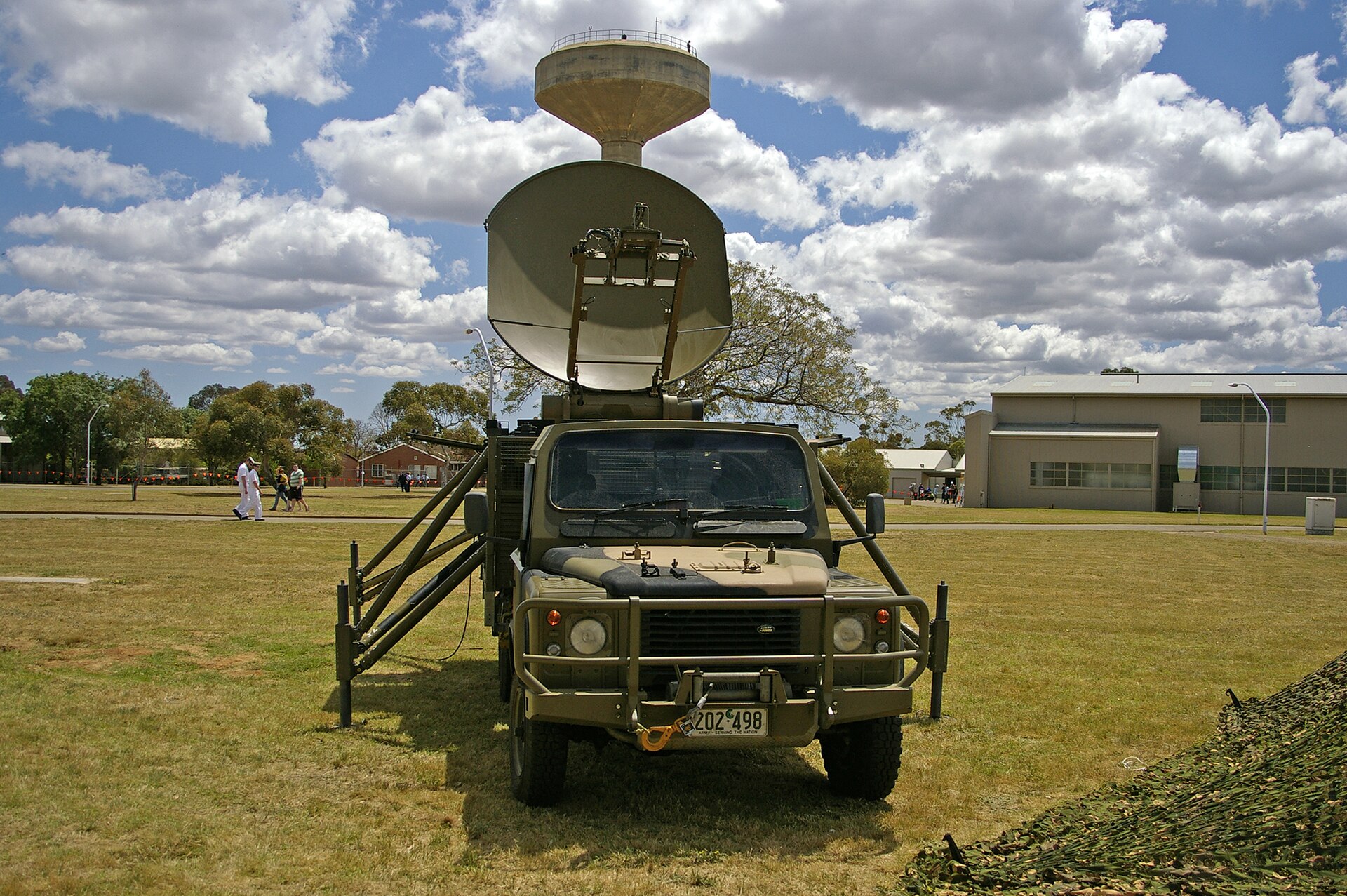
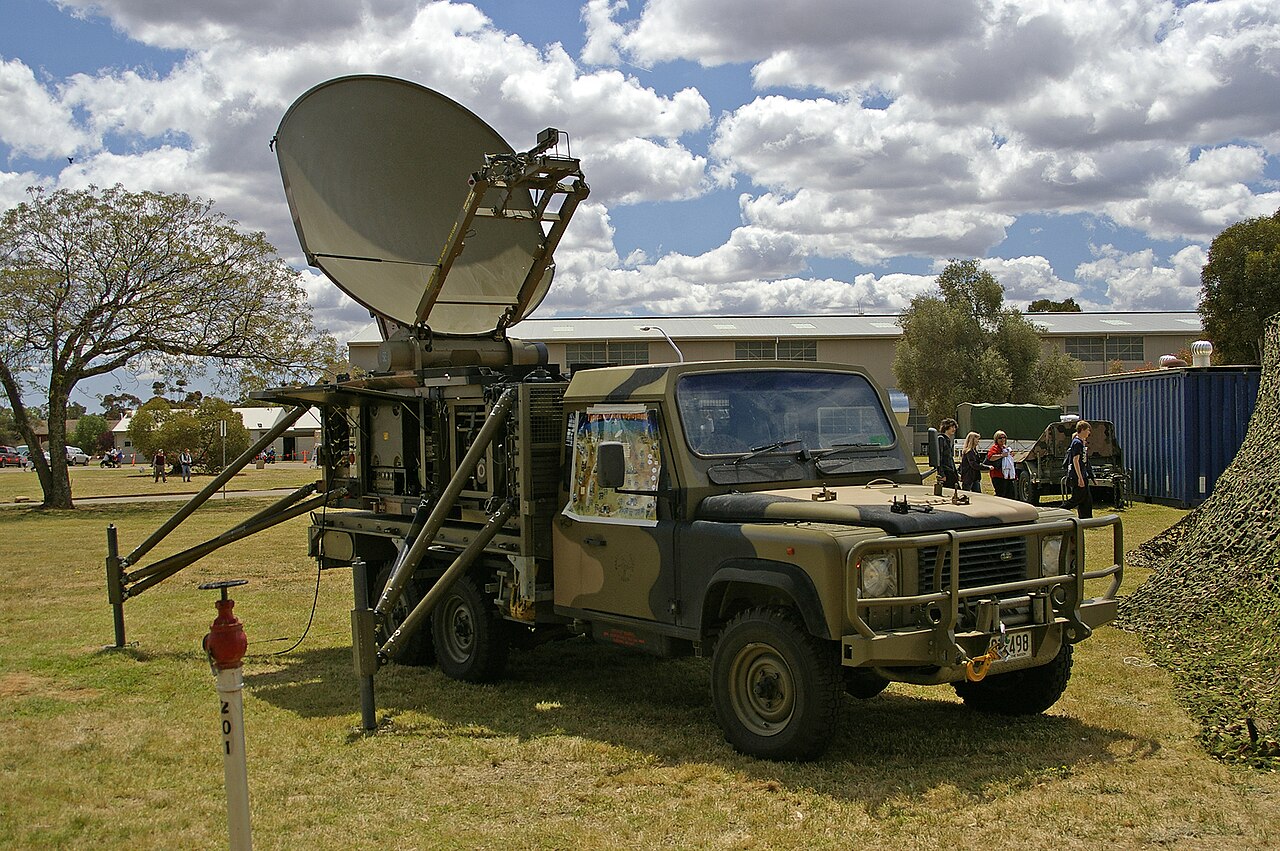
Three years after Moorebank closed the Army exercised the contract's follow-on clause and began Project Bushranger, whose Phase 1 from 1993 wanted modified Perenties as Interim Infantry Mobility Vehicles. Rover Australia no longer had a factory, so Rover's then owner British Aerospace built the vehicles at its Wingfield plant in Adelaide: 311 between 1996 and 1998, among them 148 IIMVs, 43 Surveillance Reconnaissance Vehicles for the commandos with door-mounted spare wheels, 37 Parakeet satellite-communications 6×6s, 12 assault pioneer and 11 mortar carriers. Many of their parts do not interchange with the JRA cars. Bushranger Phase 2 went to ADI's Bushmaster in 1999, and two GS 4×4s sent to Longbridge for Td5 engines in 1998 came home, were tested against a British Army Wolf, and were quietly converted back to Isuzu power.
.jpg)

Peacekeeping and operational service (1993–2011)
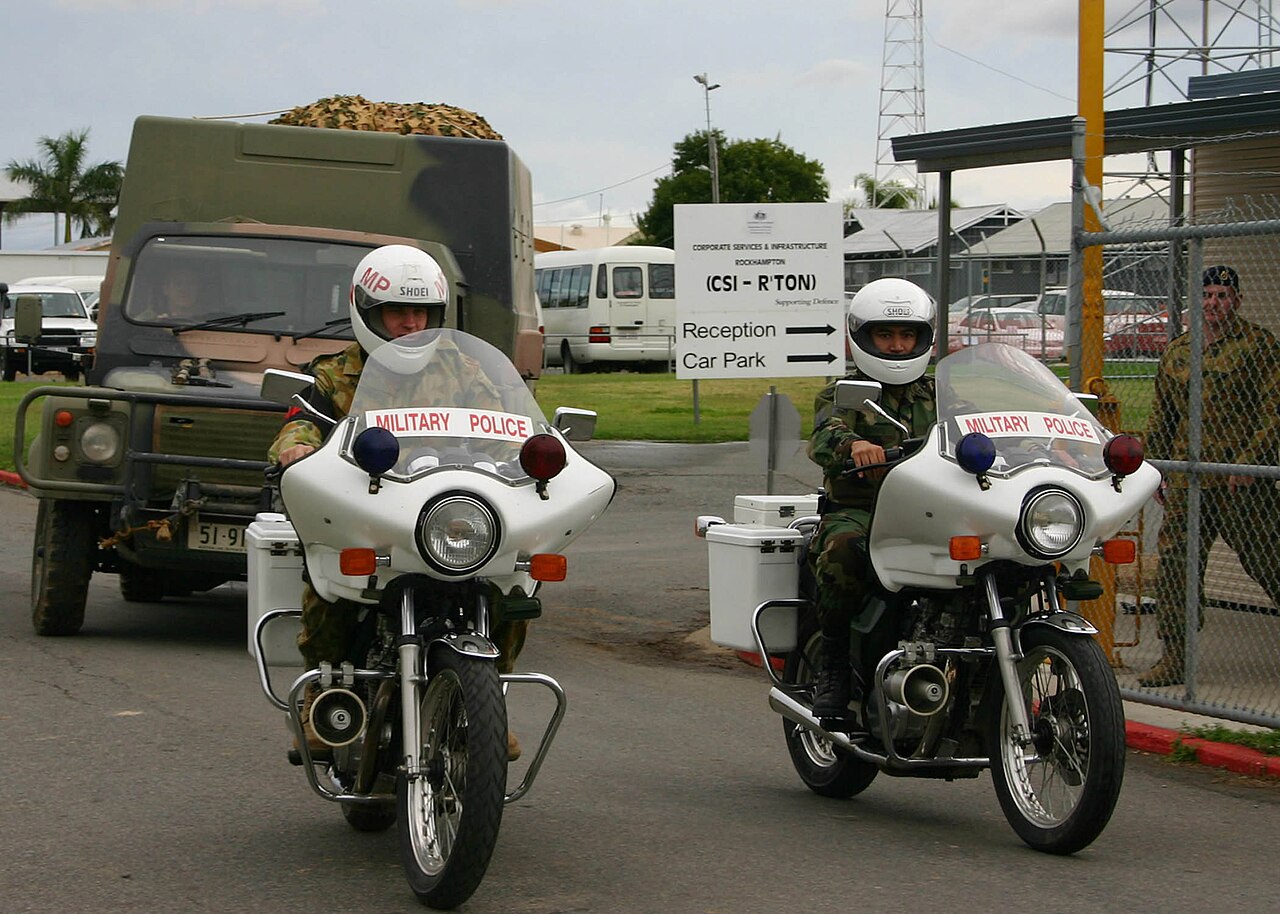
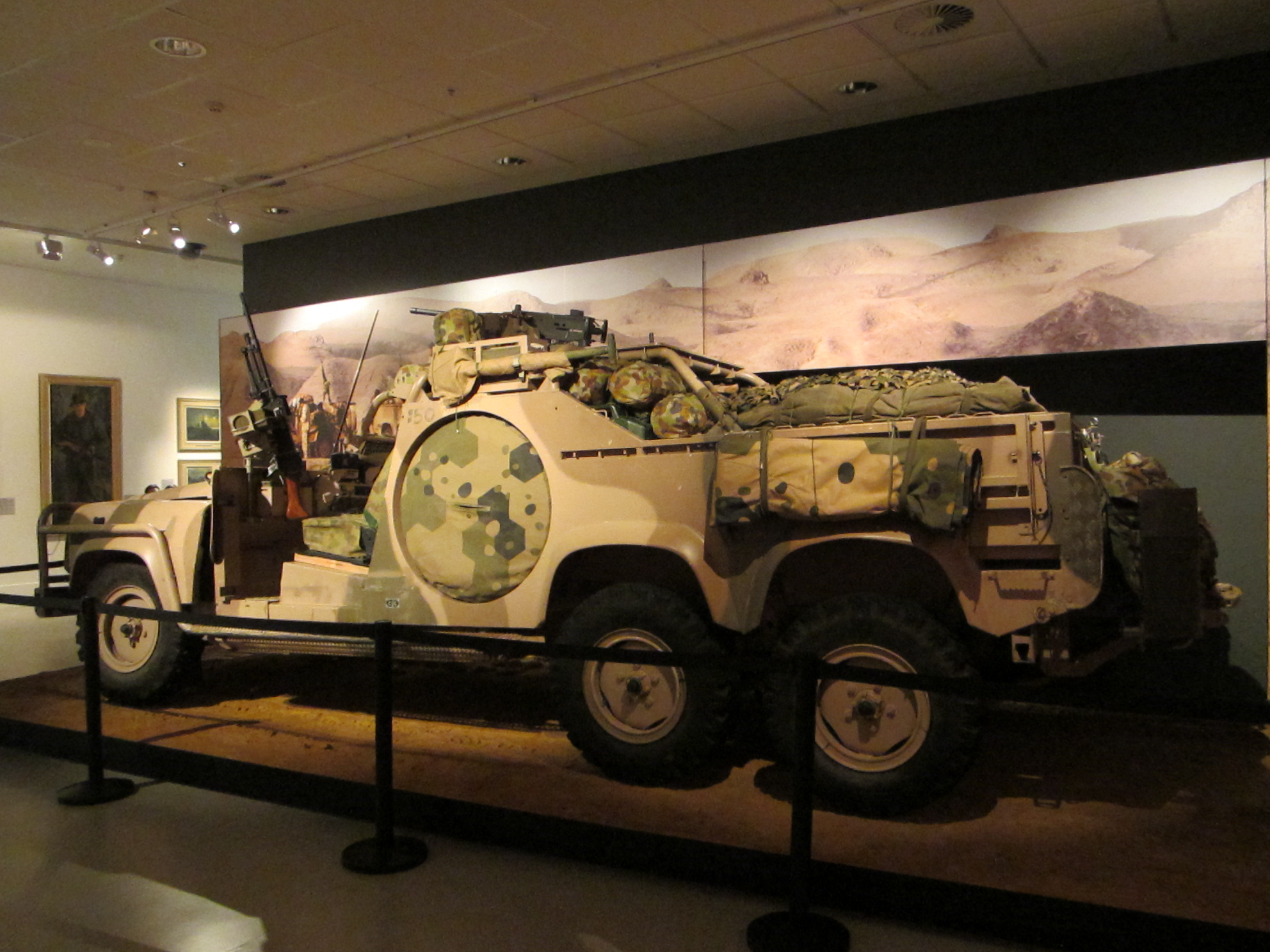
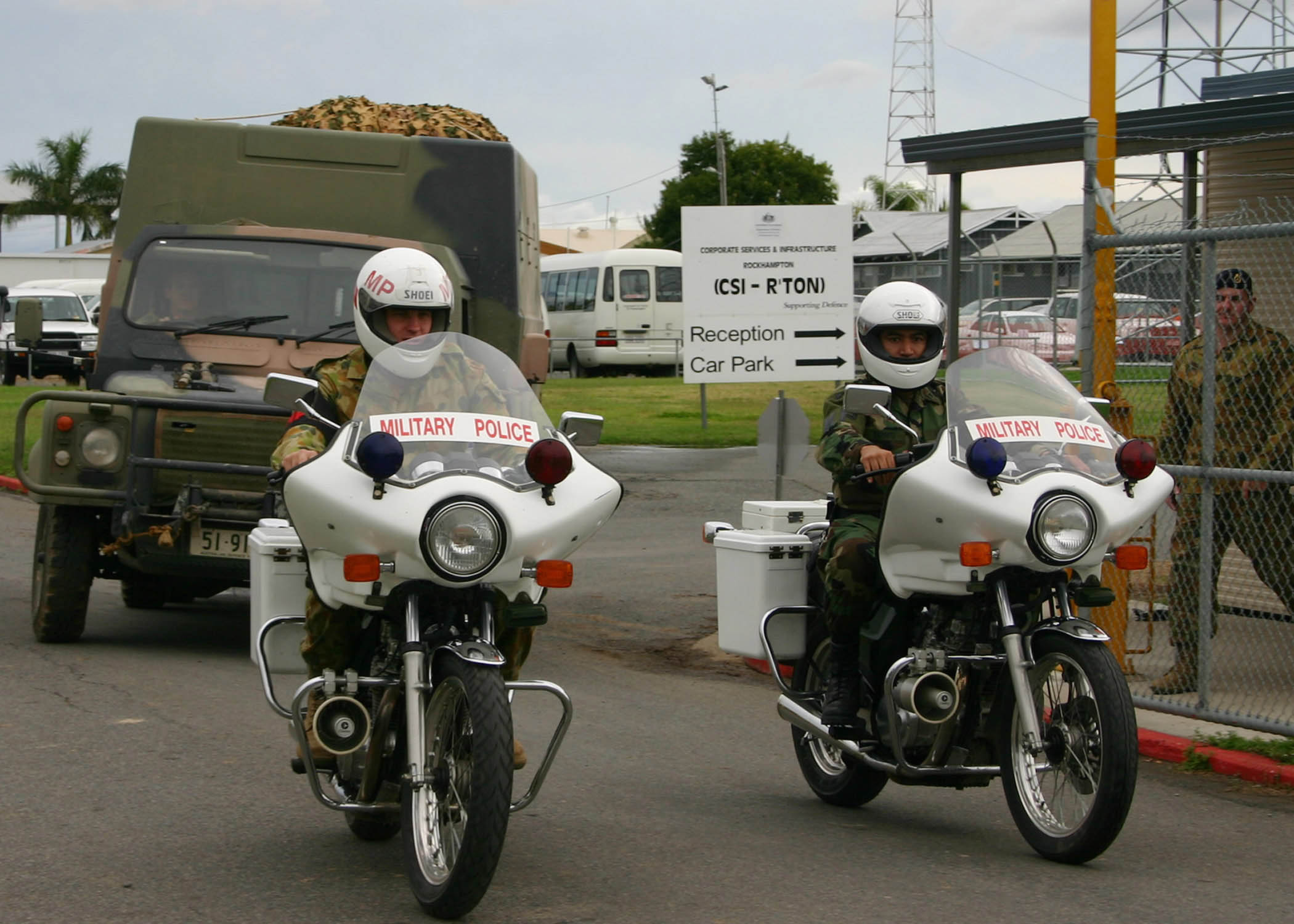
5 VEHICLES IN THIS CHAPTERThe fleet left the line in lustreless olive drab, switched early to the three-colour Auscam disruptive pattern, and went white for the United Nations. The registry's two UNTAC Perenties — a soft top at Kampong Cham in April 1993 and a Force Communications Unit car with a DShK mount at Sisophon that August — are from the Australian War Memorial's Cambodia photographs; the Perentie also served in Somalia, Rwanda, Timor-Leste and the Solomon Islands, and the ambulance was still in Timor in 2006. The LRPV, used through the 1990s for desert and open-country training in Western Australia and the Northern Territory, deployed for the first time to support 1 SAS Squadron in the Middle East on Operation Pollard in 1998, then to Afghanistan on Operation Slipper and to Iraq from 2003 on Operation Falconer.
The Australian War Memorial's LRPV, REL35473, known to its crew as 'One Fitty', struck a pressure-plate improvised explosive device in Afghanistan in May 2006; its mine armour left the crew with one minor leg injury, and the Memorial keeps it in its damaged state with the front right chassis and engine wrecked and the wheel gone. A 4×4 of the same concept, the SRV(SF), went to the Commando Regiment from the late 1990s. In 2000, with no factory left, the Army let Rover Australia supply a small batch of British-built Defender Td5 hard tops, locally modified with Perentie bullbars and side lockers but with standard chassis and a ten-year life, for general duties only.

Replacement and disposal (2006–present)
5 VEHICLES IN THIS CHAPTERProject Overlander, announced in 2006 to replace the Army's whole road fleet, made the Perentie's replacement Phase 3 of LAND 121. Ford, then selling Land Rover to Tata, would not let Rover Australia spend on a tender, so the job went elsewhere: under Phase 3A the Defence Materiel Organisation bought 2,146 unprotected Mercedes-Benz G-Wagons in eight mission-system variants with 1,799 Haulmark trailers, rolling out from the week of 2 July 2012 with vehicle deliveries to June 2015 and trailers to mid-2016, 'to replace two-thirds of the Land Rover fleet'; the protected third went to the Hawkei under Phase 4, some 6×6 roles to the Bushmaster, and the SASR's LRPVs to the Supacat-derived Nary. Where the Perentie carried modules, the 6×6 G-Wagon went back to shelters, so the ambulance the Medical Corps had praised was replaced too. Lieutenant Colonel Lee Osborne, the project director, had told Overlander in 1994 that a Land Rover's Army life was 'up to 20 years or more'; the first Perenties did twenty-five.
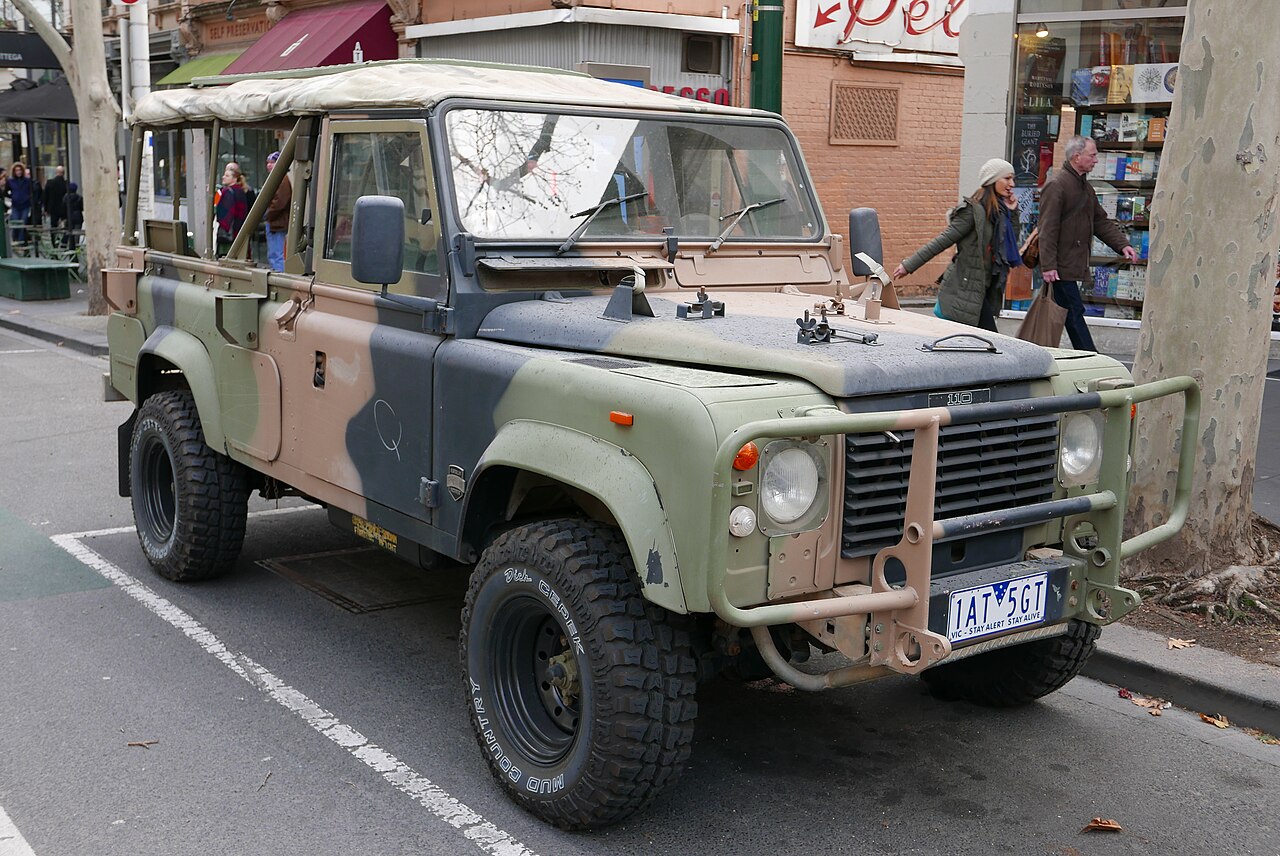
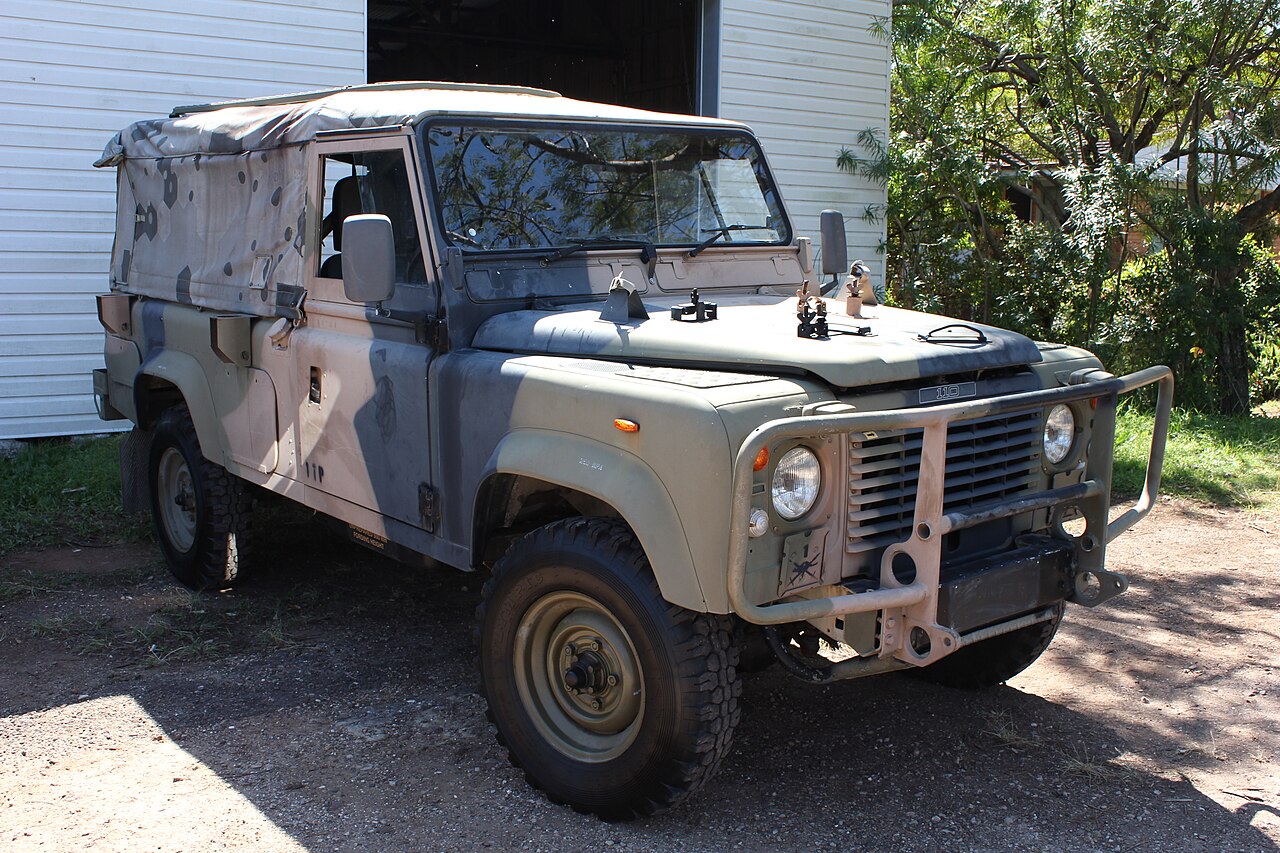
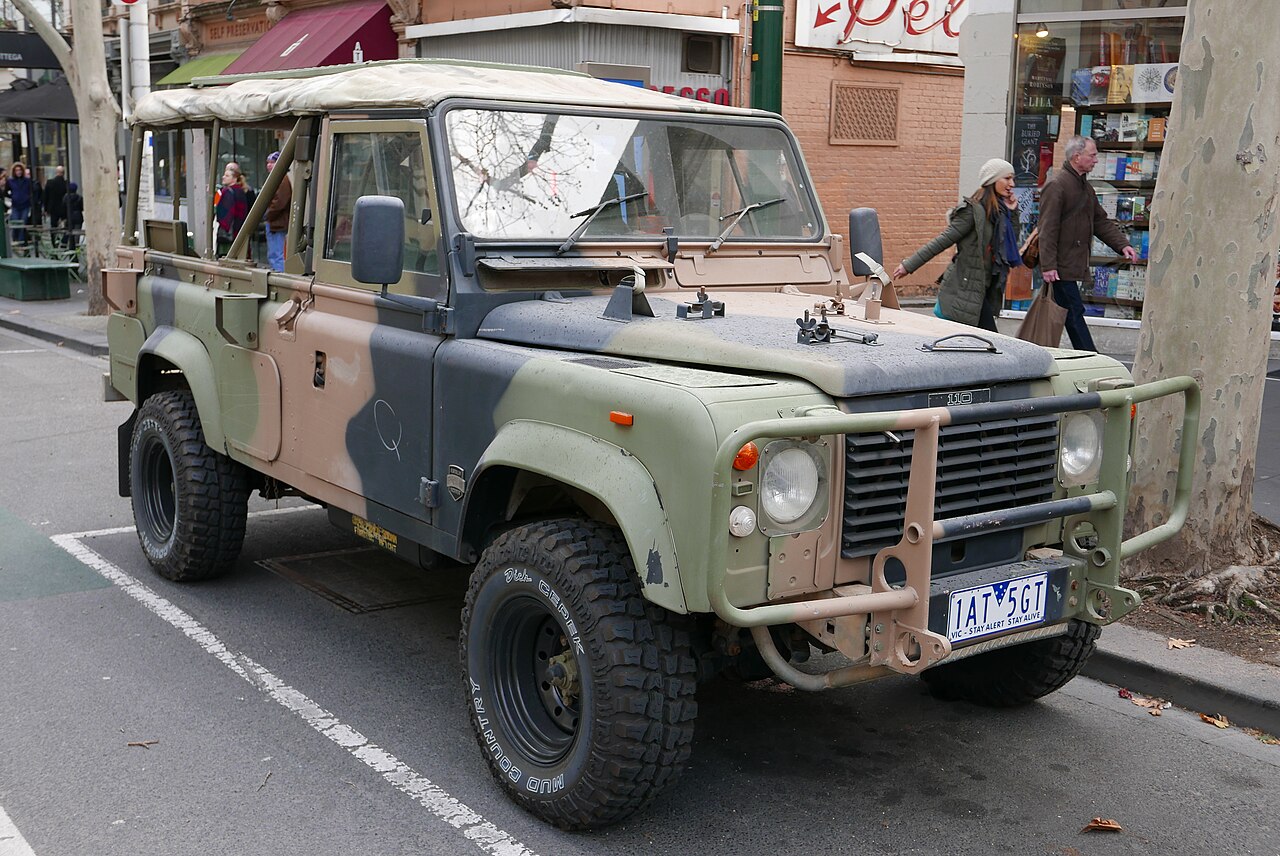
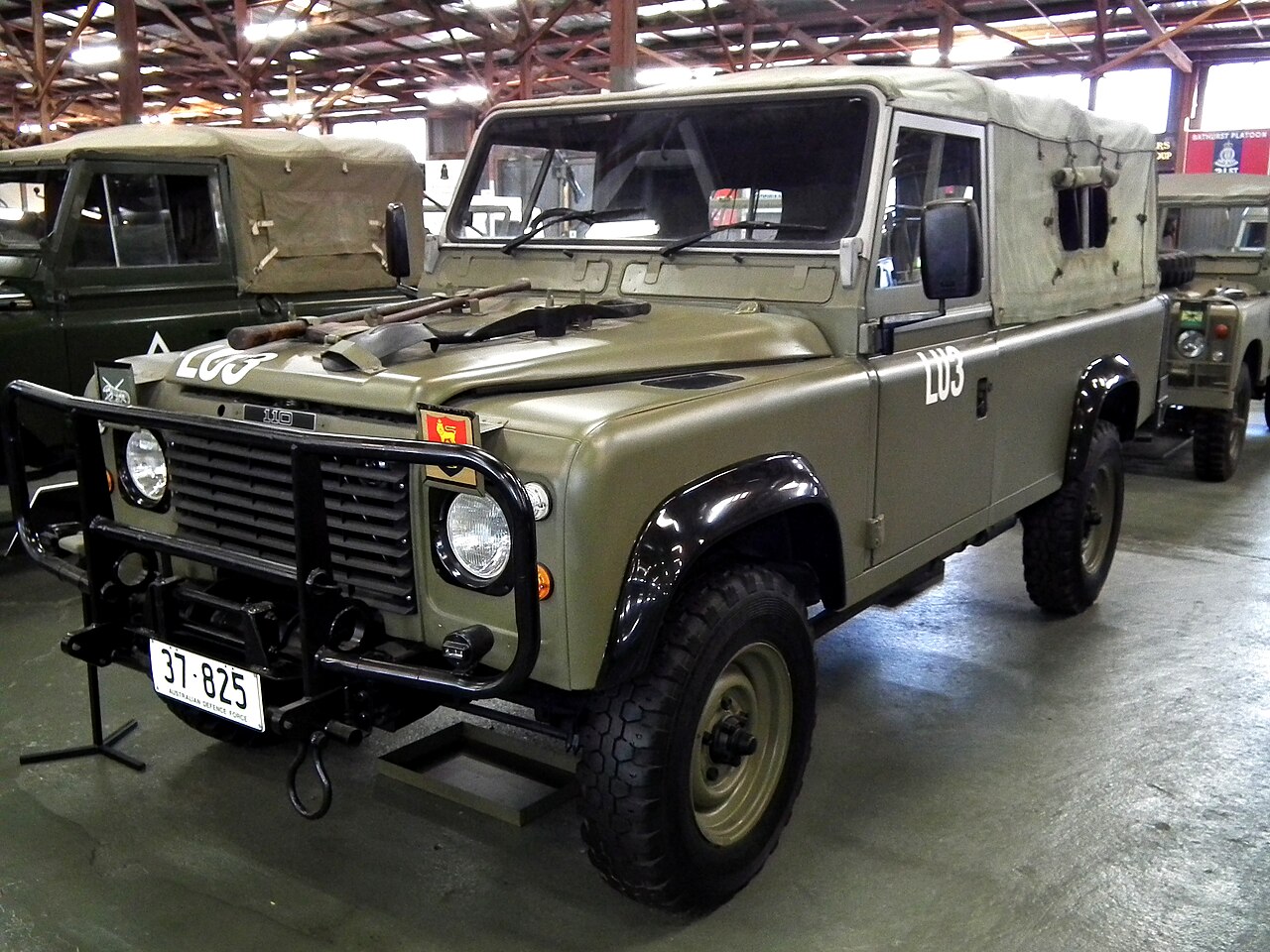
Disposals were under way by February 2013 and ran through the G-Wagon roll-out, and the old Land Rovers are now a common sight on Australian streets. The registry's preserved examples are typical of what survived: General Service 110 ARN 37-825 at the Army Museum Bandiana, a 1990 Auscam 4×4 photographed in Melbourne, FFR cars with their antenna mounts still on the tray sides, and the 6×6s that expedition builders prize for their galvanised chassis and Hercules-sized modules. The Bandiana museum holds the left-hand-drive V8 LRPV, the SASR museum at Scarborough Beach one of the two validation cars, and the War Memorial 'One Fitty'.
_01.jpg)

Registry records · chapter 5
Base models
The structural configurations the registry and the Creator build from; each page carries the researched specification.In service
Where the registry's Perentie records worked; each opens the themed history.Manufacturers
Sources
- Land Rover Perentie — Wikipedia (Project Perentie as the Army's 1- and 2-tonne trial; competitors (Jeep AM10, Mercedes 300GD, Unimog, Land Cruiser two years later); JRA at Moorebank; Isuzu 4BD1 and 4BD1-T; galvanised chassis; original order 2,500 4×4 and 400 6×6 between 1987 and 1990 plus Bushranger additions; variant tables totalling 3,023 4×4 (1,222 GS, 314 winch, 964 FFR, 208 FFR winch, 35 survey, 11 senior commander, 38 personnel, 231 RFSV) and 699 6×6 (27 LRPV, 94 ambulances); deployments; disposals under way February 2013 with G-Wagen replacement under LAND 121.)
- Perentie — Craig Watson, The BMC Experience (PDF via Cheshire & Merseyside MVT) (Long feature built on Ray Habgood's SAE thesis, an interview with Habgood, REMLR and Trove: the February 1981 staff requirement and June 1982 industry briefing; engine selection; the 6×6 chassis, LT95 drive, cross-over springs and wide cab; trials vehicles delivered September 1983 and tested at Monegeetta, Woomera, Tully and Khancoban; IPVs from May 1986 and full production May 1987; the $150 million 1988 valuation; the Jakab modules; the ambulance (92 built, first delivered January 1989) and the Paulatim review; the LRPV (26 operational plus LHD V8 and prototype, in service 1991); RFSV 243; JRA's 1991 collapse and the Moorebank closure on 30 September 1992; the BAe Wingfield follow-on and Bushranger, 311 vehicles 1996–98; the full production table (4,079); the 1998 Td5 trial and 2000 Defender batch; Overlander and the replacement vehicles.)
- Land Rover 110, Long Range Patrol Vehicle: Special Air Service Regiment (REL35473) — Australian War Memorial ('One Fitty': LRPV in service from the early 1990s for training; first operational deployment on Operation Pollard 1998, then Slipper and Falconer; struck a pressure-plate IED in May 2006, crew survived with one minor leg injury; displayed with IED damage to the front right chassis and engine.)
- LAND 121 Phase 3A — Lightweight and Light Capability (G-Wagon booklet) — Defence Materiel Organisation, Department of Defence (PDF mirrored by Club G-Wagen) (2,146 unprotected Mercedes-Benz G-Wagons and 1,799 Haulmark trailers; roll-out from the week of 2 July 2012; vehicles delivered July 2012 to June 2015, trailers to mid-2016; eight mission-system variants; G-Wagons with the Phase 4 protected vehicles 'will replace the current fleet of Land Rovers'.)
- G-Wagon sustainment: a tale of integration — Australian Defence Magazine, October 2018 (The last of 2,146 vehicles delivered by 2016 'to replace two-thirds of the Land Rover fleet under Land 121 Phase 3A'; remaining third to Hawkei under Phase 4; the old Land Rovers sold off to the public.)
- Les Hiddins — Wikipedia (Major Les Hiddins, retired 1989; the ABC's Bush Tucker Man (1988–96), in which he drove a Land Rover Perentie.)
- Australian Army Land Rover 110 no. 48-001 (Darwin Military Museum) — Alamy (Craig Brown, 29 September 2018) (Photograph and caption placing the Bush Tucker Man's Army 110, ARN 48-001, at the Darwin Military Museum.)
- Anzac Legends: the Land Rover Perentie — Unsealed 4X4 (Evan Spence) (Tenders for nearly 3,000 vehicles; Land Rover, Jeep and Mercedes; Isuzu 3.9 4BD1, turbocharged in the 6×6; LT95 gearbox and Salisbury 8HA rear axle; peacekeeping service from 1990; fleet auctioned as the Mercedes arrived.)
Perentie records in the registry
19 records, oldest first. Perentie 4×4 No Roof1980 · Australia
 Perentie 4×4 Hard Top1986–92 · Australia
 FFR1987–92 · AustraliaPerentie 4×41987–92 · AustraliaPerentie 4×4 Canvas1987–92 · Australia
 Personnel Carryall1987–92 · AustraliaSRV1987 · AustraliaSRV(SF)1987 · AustraliaUNTAC Perentie 110 (Cambodia 1993)1987–93 · AustraliaUNTAC Perentie 110 DShK Mount (Sisophon 1993)1987–93 · AustraliaPerentie 6×6 Oman Logistics Vehicle1988–92 · AustraliaLRPV 6×61989 · AustraliaPerentie 6×61989–92 · Australia
 Perentie 6×6 Air Defence1989–92 · AustraliaPerentie 6×6 Ambulance1989–92 · Australia
 Perentie 6×6 Canvas1989–92 · AustraliaPerentie 6×6 Dual Cab1989–92 · Australia
 Perentie 6×6 Hard Top1989–92 · Australia
 Perentie 6×6 Parakeet1989 · Australia